The Role of Wildflowers in Managing Runoff and Erosion
How native wildflowers, proper grading, and thoughtful landscaping can protect Janesville yards while supporting pollinators.
A beautiful landscape should do more than improve curb appeal. It should also help manage rainwater, protect the soil, and support a healthier outdoor environment. For homeowners in Janesville, WI, native wildflowers can play an important role in accomplishing all three.
Wildflowers are often associated with pollinator gardens, colorful blooms, and natural landscaping. However, their benefits extend well beyond attracting bees and butterflies. When properly selected and planted, native wildflowers can help slow stormwater runoff, reduce soil erosion, and improve how water moves through the landscape.
At Rote’s Landscaping & Waterproofing, we understand that effective landscaping starts with the ground itself. Combining native plantings with proper grading and drainage solutions can create a yard that looks attractive while helping protect your property from water-related problems.
How Wildflowers Help Control Runoff and Erosion
When rain falls on a traditional lawn, driveway, or compacted landscape, some of that water runs across the surface instead of soaking into the ground. During heavy storms, moving water can wash away topsoil, damage planting beds, and collect around foundations.
Native wildflowers help address these issues in several ways.
Deep Root Systems Improve Soil Stability
Many native wildflowers develop extensive root systems that reach deeper into the soil than typical lawn grasses. These roots help hold soil in place, improve soil structure, and create pathways for water to enter the ground.
Over time, healthy root systems can help reduce erosion on gentle slopes and in areas where runoff regularly moves through the landscape.
Dense Plantings Slow Moving Water
A well-established wildflower garden creates natural ground coverage. The combination of plant stems, leaves, and roots helps slow surface runoff while reducing the impact of rainfall on exposed soil.
This is especially beneficial in landscaped areas that receive water from surrounding lawns or gently sloped sections of a property.
Improved Water Absorption
Healthy soil with established native vegetation can absorb more rainfall than compacted, poorly maintained ground. This can help reduce the amount of water flowing toward sidewalks, patios, and lower portions of the yard.
However, wildflowers are not a replacement for proper drainage. If water is consistently flowing toward your home, professional waterproofing and drainage solutions may be needed to correct the underlying issue.
Why Native Wildflowers Are a Smart Choice for Wisconsin Landscapes
Southern Wisconsin experiences everything from heavy spring rainfall to hot summer temperatures and freezing winter conditions.
Choosing plants adapted to these seasonal changes can make a significant difference in landscape performance.
Native wildflowers are well suited to Wisconsin's climate and can provide a variety of benefits once established.
They support native bees, butterflies, and other pollinators, often require less supplemental watering than traditional ornamental plantings, and provide seasonal color without relying on extensive maintenance.
Some native wildflowers worth considering for Janesville landscapes include:
- Purple Coneflower: A recognizable perennial that attracts pollinators and performs well in sunny, well-drained locations.
- Black-Eyed Susan: Bright yellow flowers that provide summer color and work well in naturalized planting areas.
- New England Aster: A late-season bloomer that supports pollinators and adds color as summer transitions into fall.
- Swamp Milkweed: A moisture-tolerant native that works well in properly designed rain gardens and provides important habitat for monarch butterflies.
- Wild Bergamot: An attractive native perennial that supports bees, butterflies, and other beneficial insects.
Plant selection should always account for sunlight, soil type, moisture levels, and the surrounding landscape. Plants suited to dry slopes may not perform well in areas that regularly collect water.
Proper Grading Comes Before Planting
One of the biggest mistakes homeowners make is trying to solve a drainage problem by planting something over it.
Wildflowers can improve soil stability and help manage smaller amounts of runoff, but they cannot correct serious grading problems.
If your yard slopes toward the foundation, water will continue moving in that direction regardless of how many flowers you plant.
That is why grading should be evaluated before creating a new wildflower garden, especially near the home.
Proper grading helps direct surface water toward appropriate drainage areas, reducing the likelihood of water collecting around the foundation.
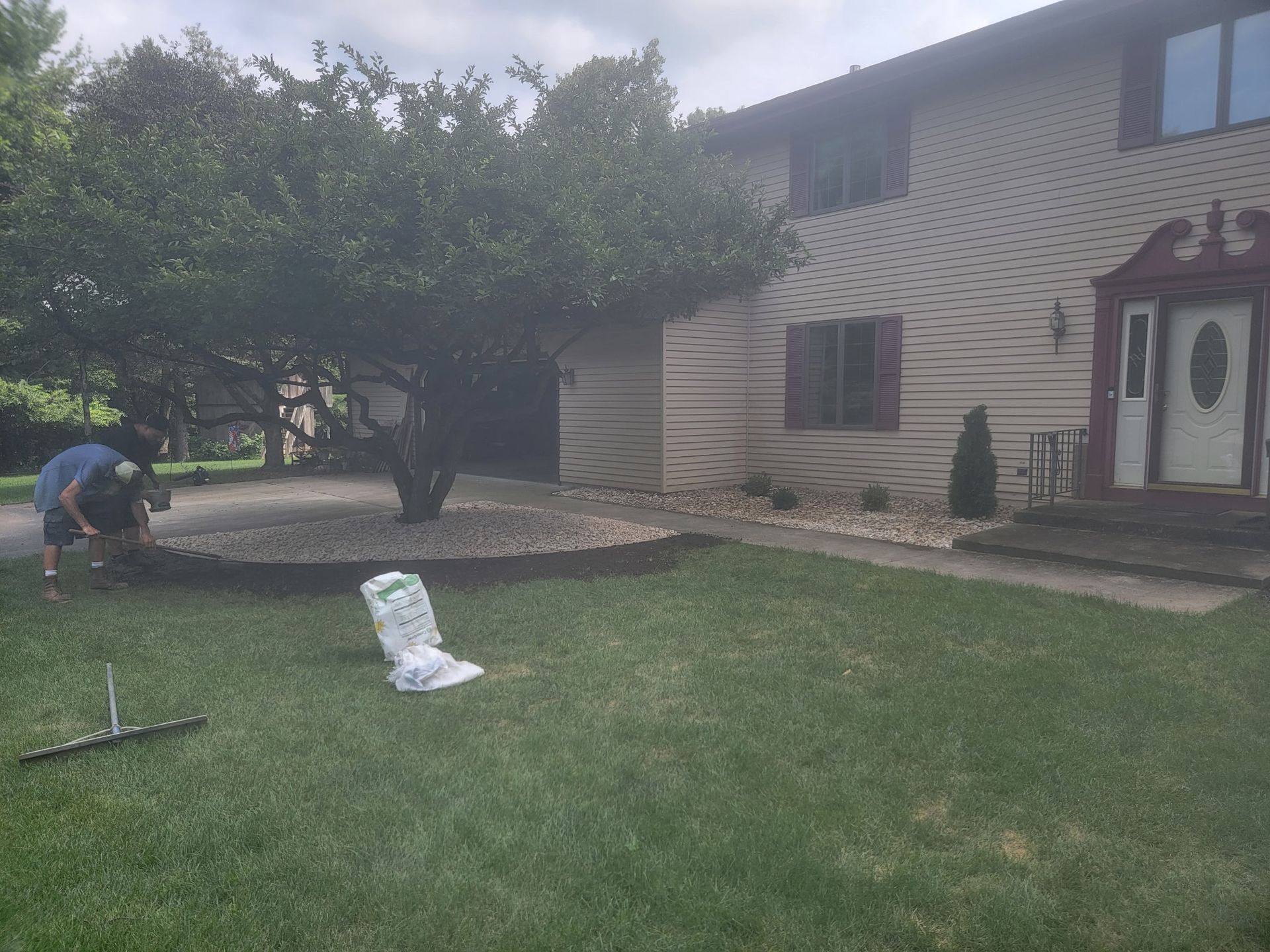
For example, a property with a sloped backyard may benefit from having the ground reshaped to direct runoff away from the house and toward a suitable landscaped area.
Once the grading is corrected, native wildflowers can help stabilize the soil and improve the appearance of the finished landscape.
Rote’s explains this important relationship in our article about how landscaping affects foundation drainage.
When grading and landscaping work together, homeowners can enjoy an attractive yard that is better equipped to handle Wisconsin weather.
Rain Gardens: Combining Wildflowers With Drainage Solutions
One of the most effective ways to use native wildflowers for stormwater management is through a properly designed rain garden.
A rain garden is a shallow landscaped depression designed to temporarily collect runoff from nearby surfaces such as roofs, driveways, and lawns.
Instead of allowing water to rush across the yard, the garden holds a manageable amount of runoff while allowing it to gradually soak into suitable soil.
Native wildflowers, grasses, and moisture-tolerant plants help support this process through their root systems.
A rain garden can provide several benefits:
- Reduce surface runoff during rainfall.
- Help filter sediment and certain pollutants.
- Create attractive seasonal landscaping.
- Support butterflies, bees, and other pollinators.
- Reduce erosion in appropriately selected locations.
Rain gardens must be properly located and designed. They should not direct water toward foundations, septic systems, or neighboring properties, and poorly draining soils may require additional drainage measures.
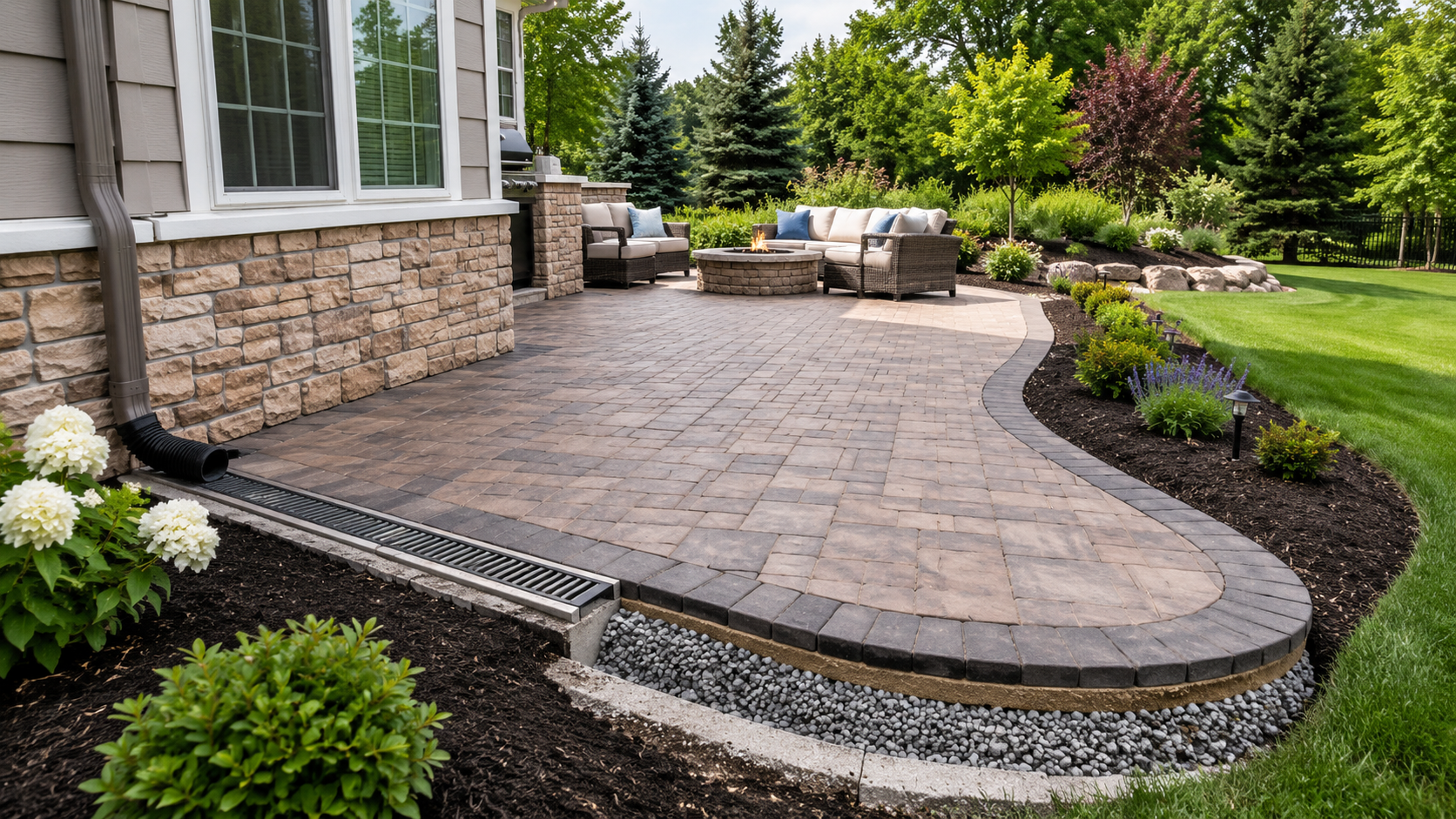
For homeowners considering a rain garden, Rote’s landscaping and hardscaping services provide a starting point for evaluating the property and planning improvements.
Using Wildflowers to Stabilize Slopes
Sloped yards are common throughout Janesville and Rock County, and they can create challenges when heavy rainfall begins washing away soil.
Areas with thinning grass, exposed roots, or recurring washouts may benefit from incorporating native plants into a broader erosion-control strategy.
Wildflowers combined with native grasses can help establish a more extensive root network, reducing surface soil movement once the plantings become established.
They can also create a natural transition between different elevations in the yard.
However, steep slopes or areas experiencing significant erosion may require additional structural improvements.
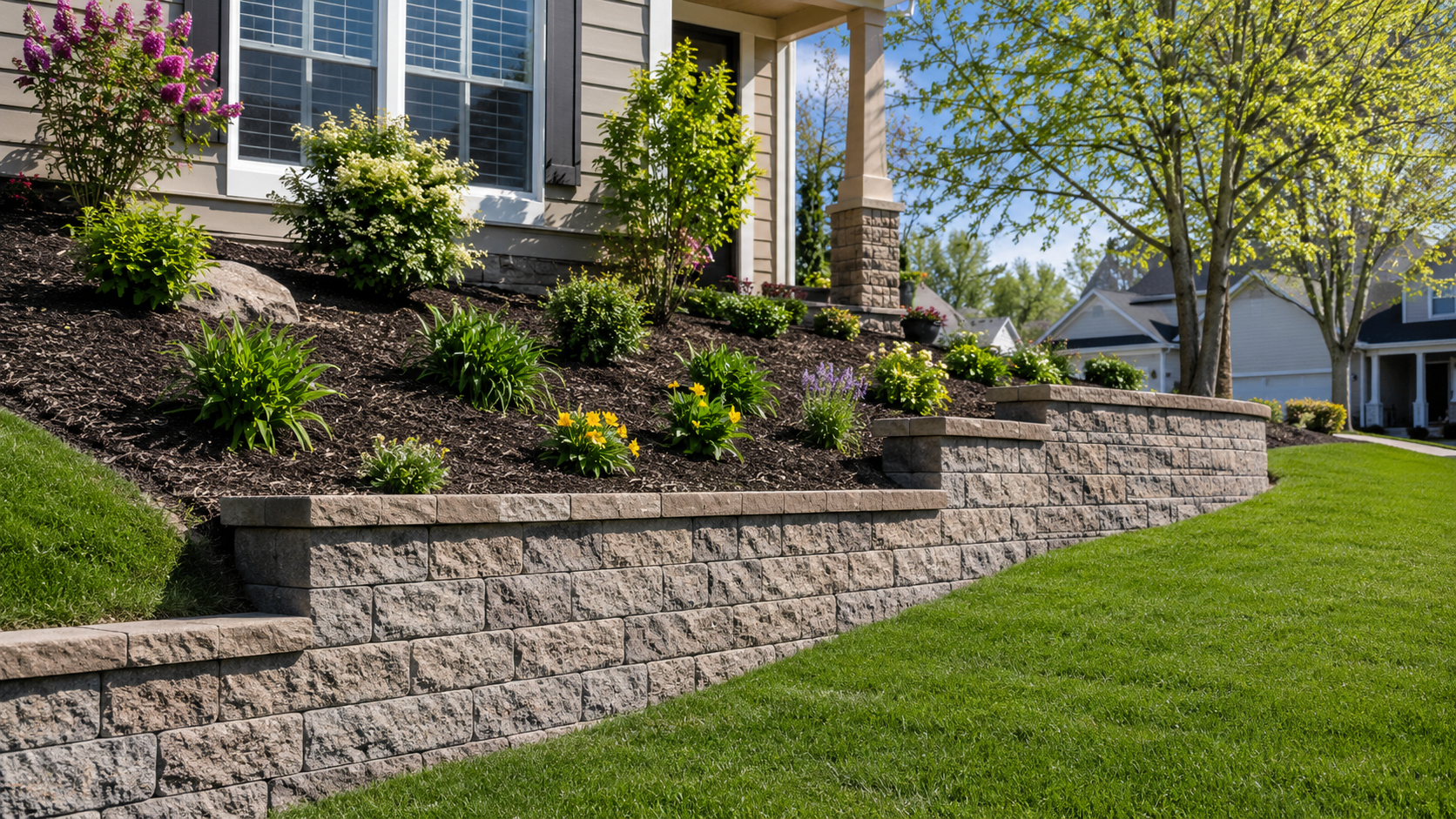
In these situations, retaining wall installation can help stabilize the landscape and create usable planting areas.
A retaining wall combined with proper drainage and carefully selected native plantings can turn an erosion-prone slope into an attractive landscape feature.
The key is understanding when plants can handle the problem and when grading or hardscaping is necessary.
Creating Defined Wildflower Beds Without Sacrificing Curb Appeal
One concern homeowners sometimes have about wildflower landscaping is that it may look too natural or unmaintained.
The solution is thoughtful design.
Native plantings do not need to take over the entire yard. They can be incorporated into carefully defined landscape beds, alongside walkways, around patios, or within existing garden areas.
Defined borders create a cleaner transition between wildflowers and maintained lawn areas.
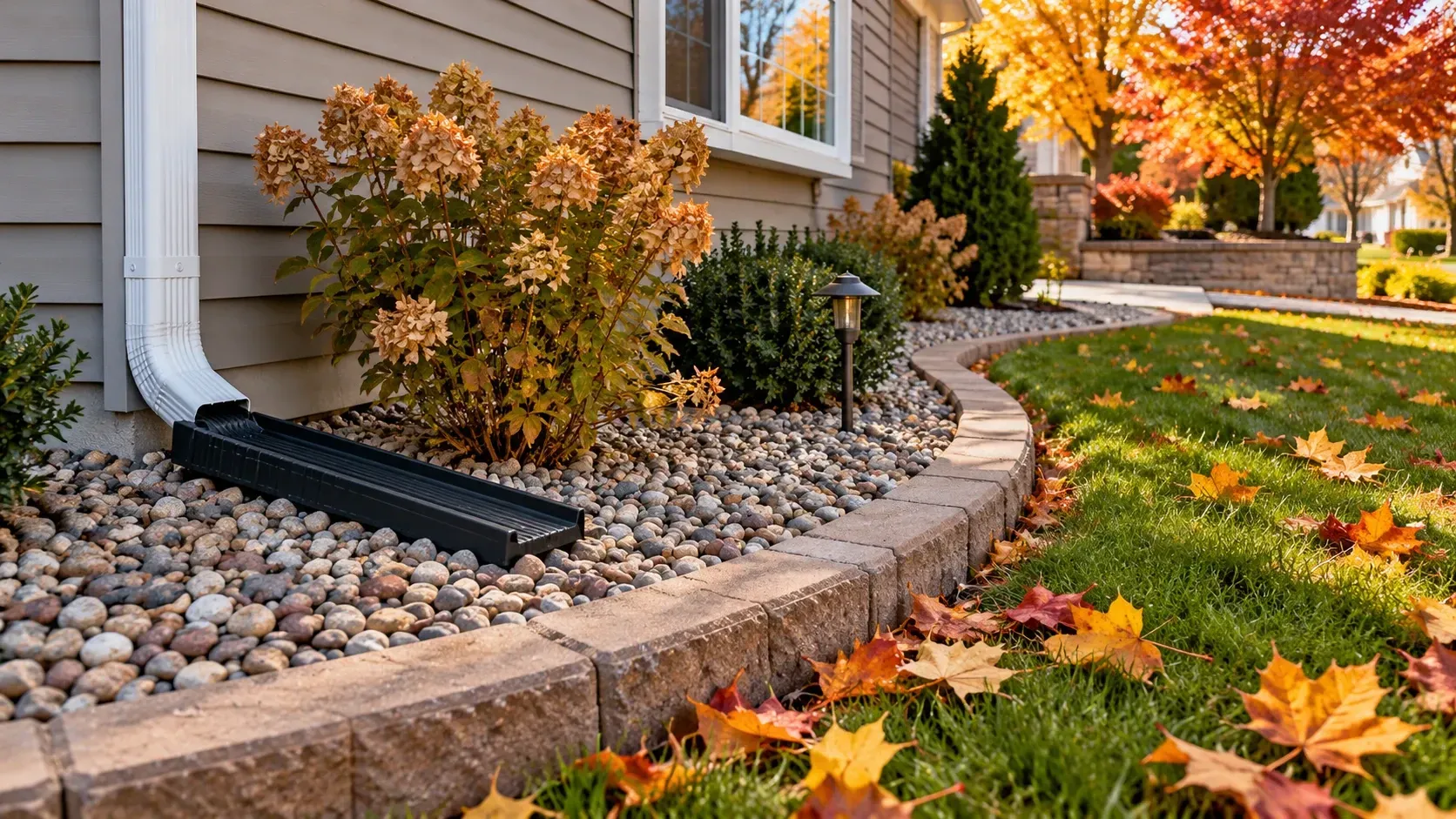
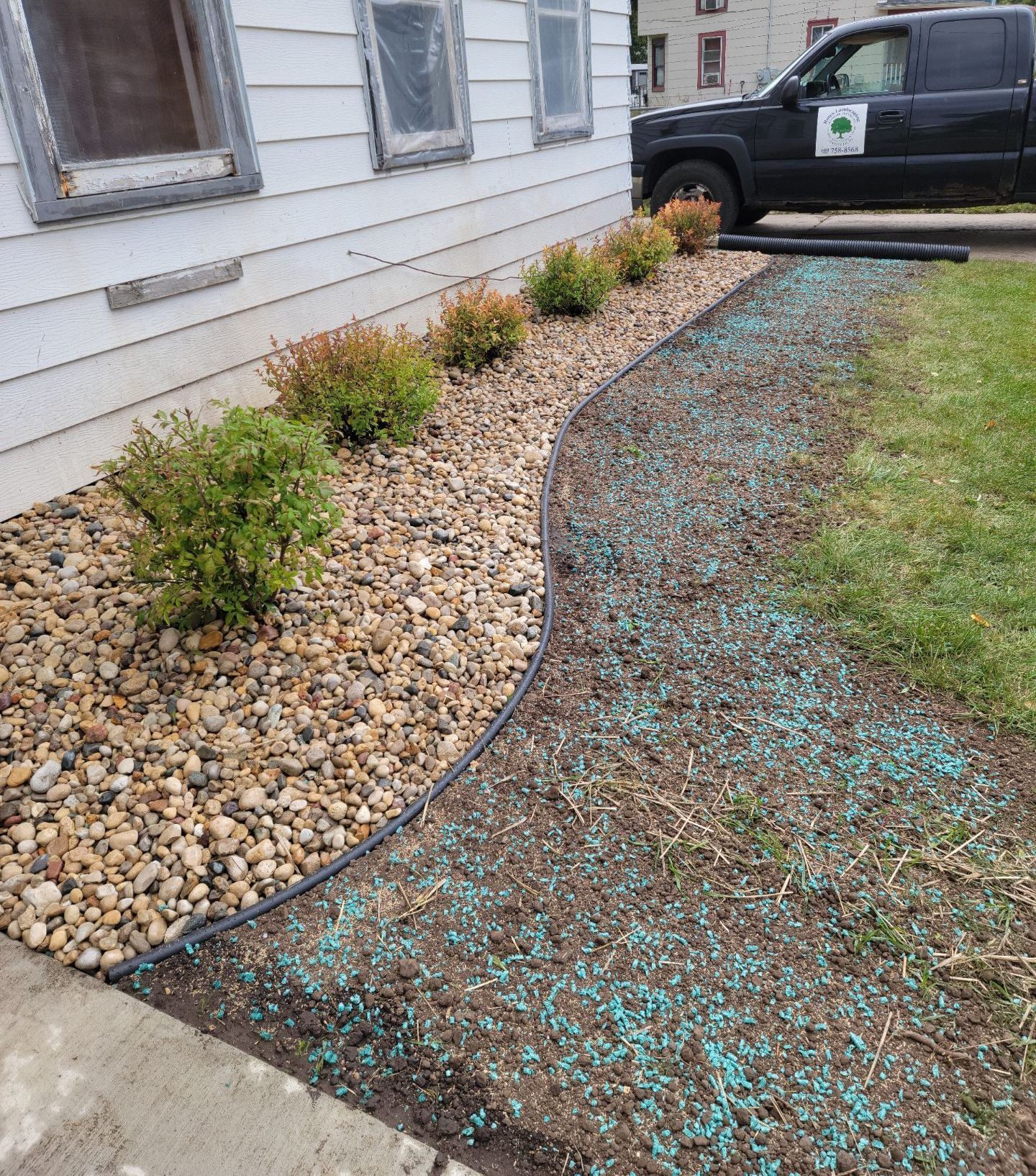
For example, a curved planting bed filled with purple coneflowers, black-eyed Susans, native grasses, and seasonal blooms can create a colorful feature without overwhelming the property.
Rote’s landscape beds and edging services can help homeowners create organized planting areas that combine natural beauty with practical maintenance.
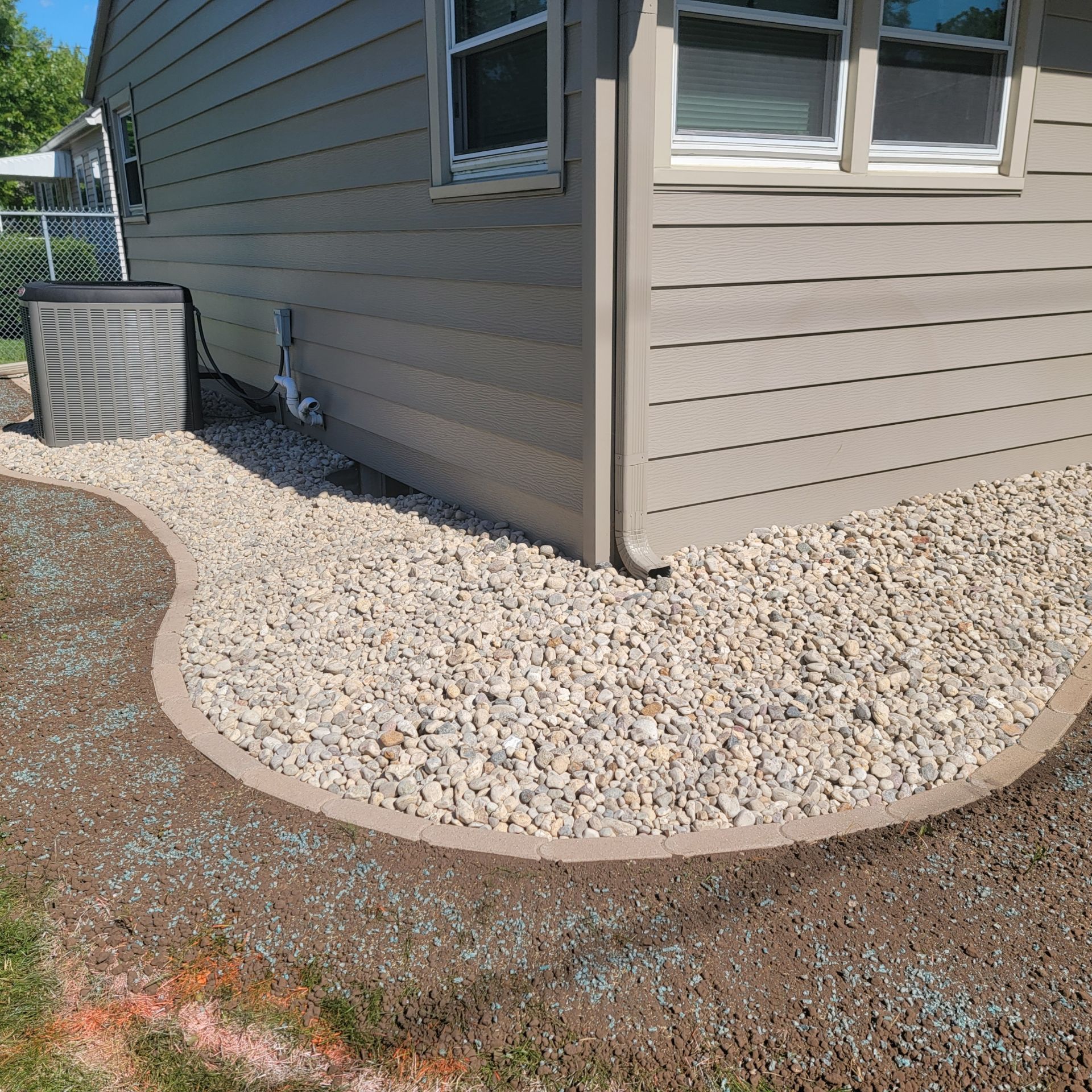
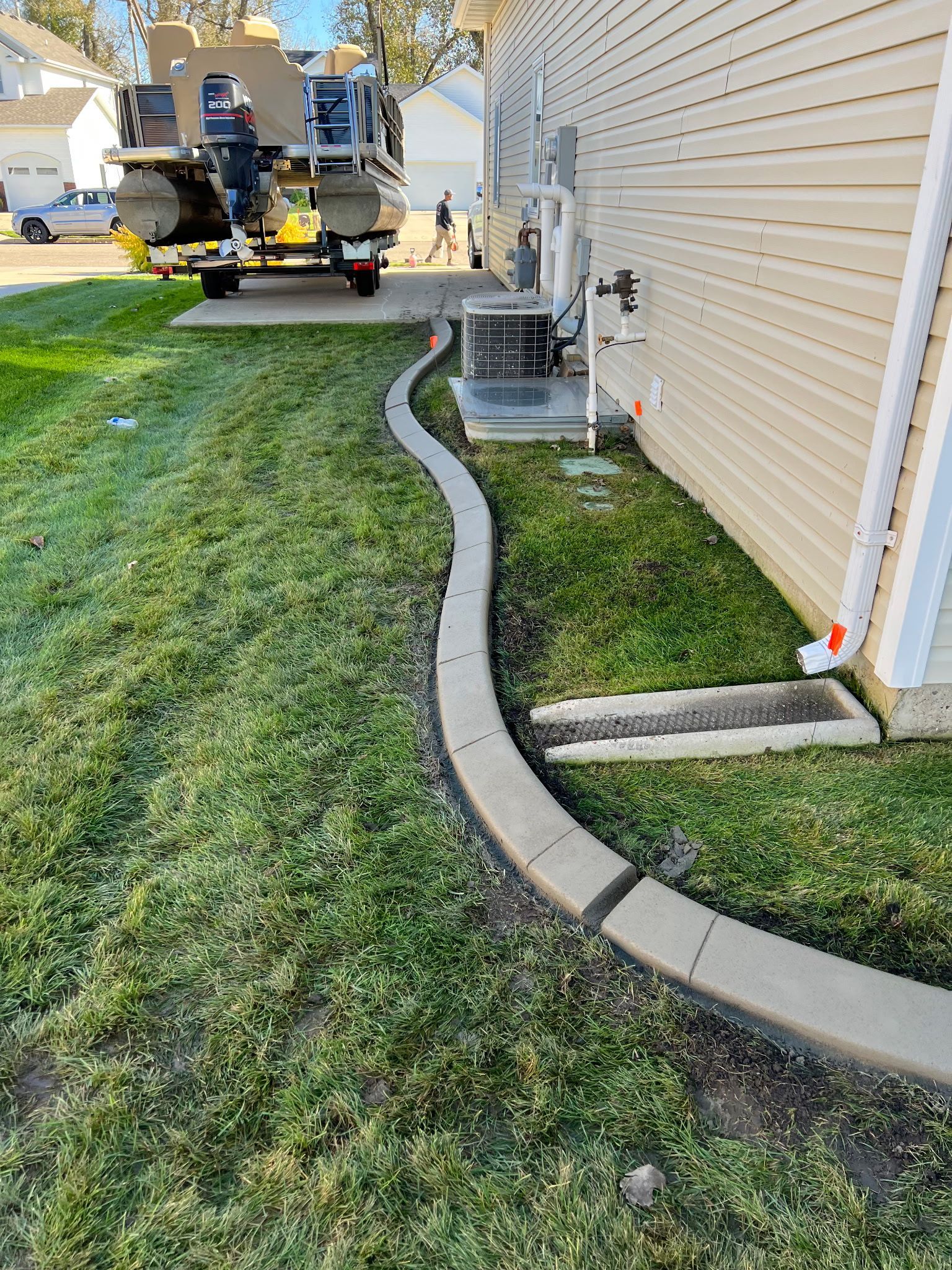
For those looking for a more permanent border, Curb-Crete concrete curbing provides a durable way to define planting beds and separate them from surrounding lawn areas.
Properly planned edging helps maintain clean landscape lines, although drainage openings or other water-management features may be necessary where runoff crosses the bed.
How Wildflower Landscaping Benefits Pollinators
While erosion control and drainage are practical reasons to incorporate wildflowers, supporting pollinators is another major benefit.
Bees, butterflies, moths, and other beneficial insects depend on flowering plants for food and habitat.
Native plants are particularly valuable because they have developed alongside local wildlife and often support species that traditional ornamental plants do not.
A well-planned wildflower garden can provide blooms throughout the growing season by combining early, midseason, and late-flowering species.
For example, spring-blooming natives can provide early food sources, summer wildflowers can support pollinator activity during warmer months, and asters can provide nectar late into fall.
Leaving some healthy stems and seed heads standing through winter can also provide habitat for beneficial insects and food for birds.
The result is a landscape that supports local wildlife while contributing to healthier soil and improved water management.
Maintaining Wildflower Areas for Long-Term Success
Although established native wildflower gardens can require less maintenance than conventional landscaping, they are not completely maintenance-free.
Newly planted areas need attention while their root systems become established.
During the first growing seasons, homeowners should focus on watering when needed, removing invasive weeds, and monitoring how plants respond to rainfall.
Avoid excessive fertilizer, which can encourage unwanted growth and may contribute to nutrient runoff.
Leaving plant material standing through winter can help protect the landscape and support pollinators, while selective spring cleanup allows new growth to emerge.
It is also important to monitor erosion during establishment. Young plantings cannot immediately stabilize bare soil, so slopes may need temporary erosion-control measures until roots develop.
Over time, a properly maintained wildflower bed can become a durable and attractive part of the landscape.
When Wildflowers Are Not Enough to Control Water Problems
Wildflowers can be an excellent addition to an erosion-control plan, but homeowners should recognize when a drainage problem requires more than planting.
Warning signs include:
- Standing water against the foundation after rainfall.
- Repeated soil washouts during storms.
- Deep channels forming along slopes.
- Basement moisture or recurring water intrusion.
- Retaining walls showing signs of movement.
- Large areas of saturated soil that remain wet for extended periods.
These conditions may indicate the need for regrading, French drains, downspout improvements, retaining walls, or other drainage solutions.
Rote’s Landscaping & Waterproofing can evaluate these concerns and help homeowners develop a solution that addresses water movement before completing the landscape design.
By combining proper grading with functional landscaping, homeowners can help prevent recurring erosion and moisture problems.
Build a Landscape That Works With Nature
A successful landscape should balance appearance, function, and long-term durability.
Native wildflowers offer a practical way to support pollinators, improve soil stability, and reduce runoff in suitable areas. When combined with proper grading, drainage planning, and thoughtful landscape design, they can become an important part of protecting your property.
For homeowners in Janesville, Beloit, Milton, and surrounding Rock County communities, these improvements can be especially valuable during Wisconsin’s rainy spring months and changing seasonal conditions.
Whether you are considering a small pollinator garden, stabilizing a sloped yard, or addressing persistent drainage issues, Rote’s Landscaping & Waterproofing can help you plan a landscape that looks great and functions properly.
Ready to improve your landscape while managing runoff and erosion?
Contact Rote’s Landscaping & Waterproofing to discuss grading, drainage, landscape beds, retaining walls, and other outdoor improvements for your Janesville-area property.