Eco-Friendly Weed Control Alternatives for Spring
April is the ideal time in Janesville to prevent weeds before they explode—without turning your garden beds into a chemical test site.
April is when weeds win quietly. Not because they’re stronger—but because they get a head start. Soil temps rise, sunlight returns, and dormant seeds wake up before most homeowners even finish spring cleanup.
If you want fewer weeds in May and June, April is your leverage point. This post builds on eco-friendly gardening principles and focuses on practical, low-tox, pollinator-conscious weed control strategies you can use while prepping beds this spring.
The goal: weed prevention, not weed battles
Eco-friendly weed control is less about “spray and pray” and more about stacking small advantages:
- Block weed seeds from getting light
- Reduce open soil
- Improve soil structure so plants outcompete weeds
- Remove weeds at the easiest life stage (tiny)
- Avoid practices that spread weeds (like tilling too aggressively)
Do those five things consistently and your weed pressure drops dramatically within a season or two.
Cardboard sheet mulching (the April power move)
If you’re converting lawn into new beds—or expanding existing beds—sheet mulching is one of the most effective eco-friendly approaches.
How it works
- Lay plain cardboard over grass or weedy soil (remove tape/glossy pieces)
- Overlap seams to avoid gaps
- Soak it thoroughly
- Cover with 3–5 inches of compost + mulch
Why it works
- Smothers existing weeds and turf
- Suppresses new weeds by blocking light
- Breaks down into organic matter
Where it shines
- New perennial beds
- Shrub borders
- Side yard strips and fence lines
It’s not “pretty” for a week or two, but it’s a legitimate long-term bed-building method.
Mulch… but use it strategically (not lazily)
Mulch is the most common eco-friendly weed suppressor—yet people misuse it constantly.
April mulch rules that actually work
- Depth: 2–3 inches for most beds (more is not always better)
- Keep it off stems: mulch volcanoes invite rot and pests
- Top up bare spots: weeds germinate where soil is exposed
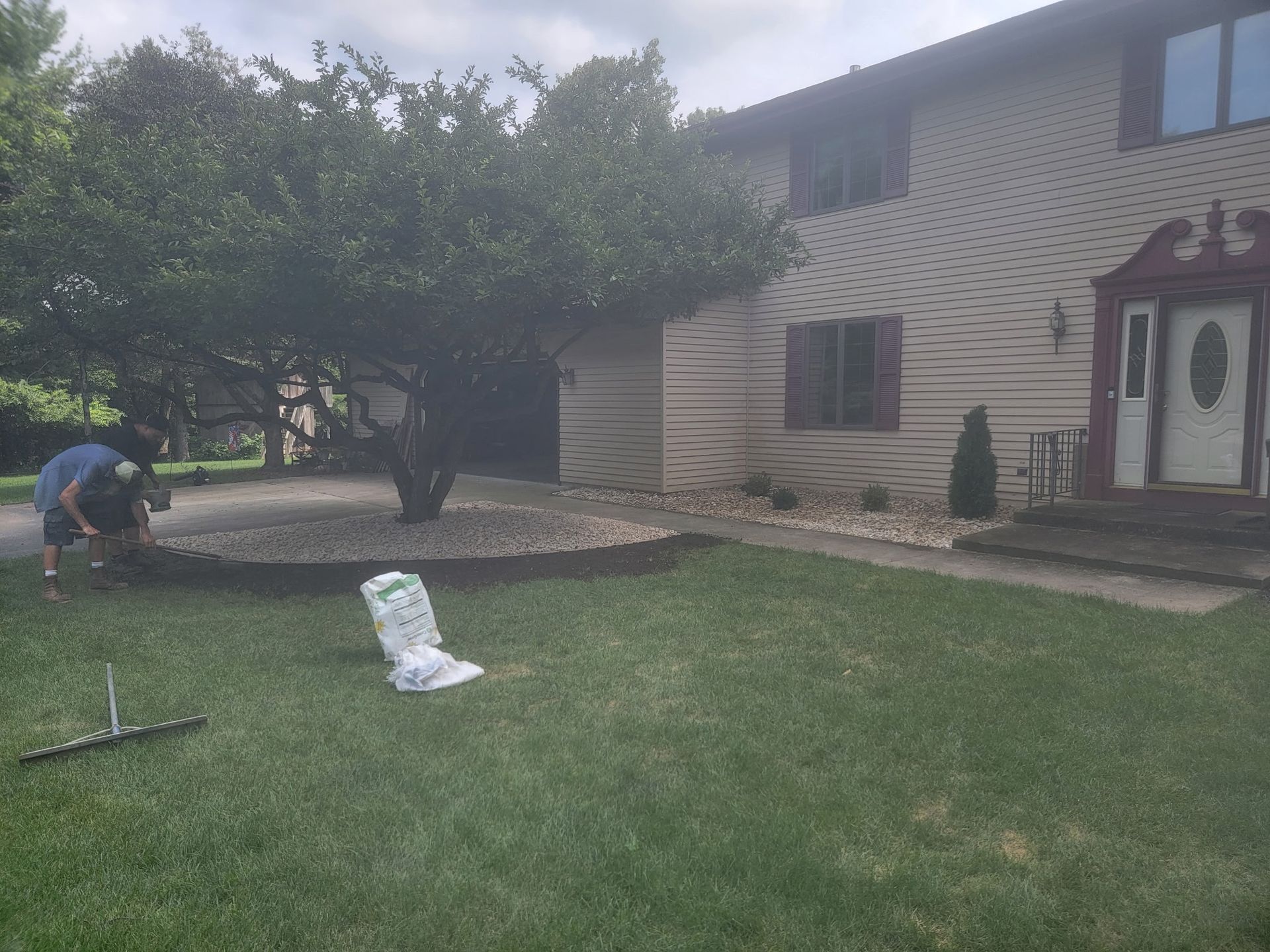
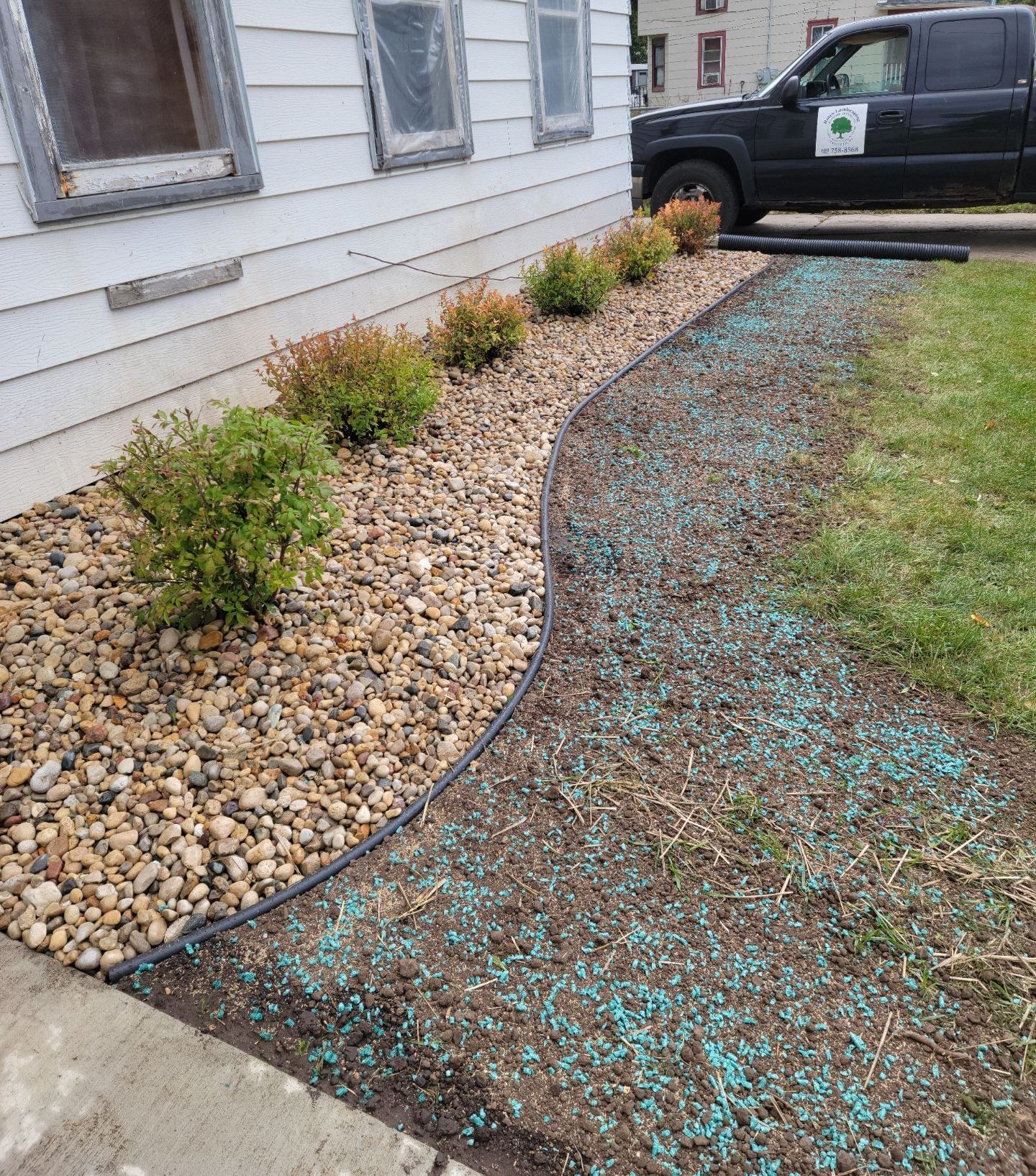
- Re-edge first: crisp bed edges prevent mulch scatter and grass creep
Best mulch types for weed suppression
- Shredded hardwood mulch (interlocks and stays put)
- Leaf mulch (excellent if you have it)
- Straw (good for veggie beds, but use clean straw—avoid hay)
Mulch doesn’t “kill weeds”—it prevents germination. If weeds are already established, remove them first, then mulch.
Pre-emergent alternatives that don’t carpet-bomb your yard
If you’re trying to avoid harsh chemicals, there are a few April-friendly tactics that mimic the benefits of pre-emergents.
Corn gluten meal (with realistic expectations)
Corn gluten meal can inhibit root formation in germinating seeds. It’s not magic, and results vary with timing and rainfall.
Use it when:
- You’re targeting seed-started annual weeds
- You can reapply and stay consistent
Don’t use it when:
- You’re direct-seeding vegetables or flowers (it can inhibit your seeds too)
Dense planting as “living pre-emergent”
Bare soil invites weeds. Fill space with:
- Groundcovers
- Perennials with spreading habits
- Shrubs with underplanting
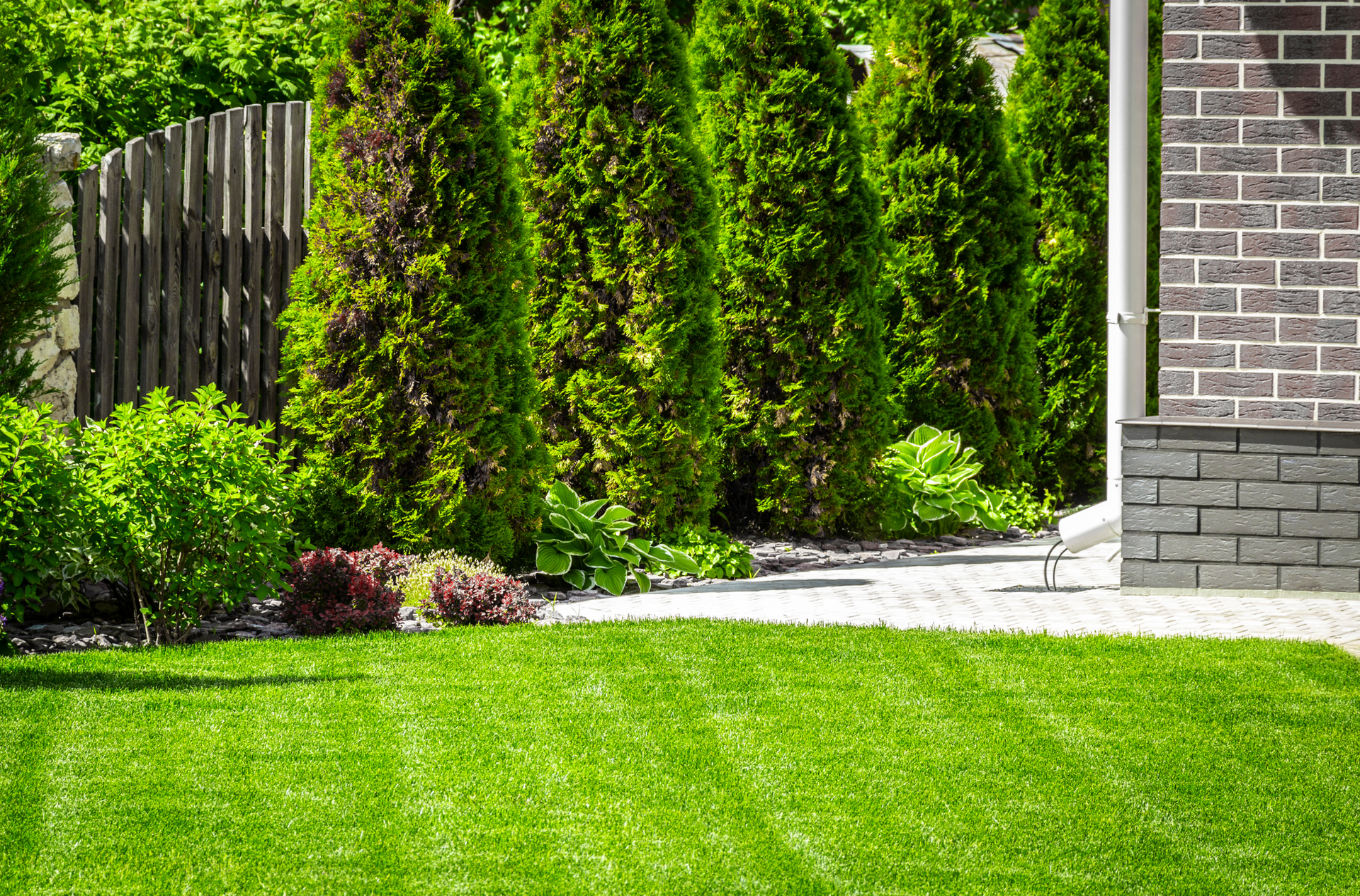
A thick canopy reduces light to the soil surface and chokes out germination.
Mechanical control: the simplest method is often the best
In April, weeds are small and weak. This is the time for low-effort removal.
Tools that make eco-friendly weeding easier
- Stirrup/hoe (fast on small seedlings)
- Hand cultivator (great between plants)
- Dandelion weeder (deep-root extraction)
The key habit
Weed after rain or after watering. The soil is loose and roots pull cleanly—less effort, less disturbance.
Hot water spot treatments (safe and surprisingly effective)
For weeds in cracks or hardscape edges, boiling water can be a targeted alternative.
Where it works best
- Driveway cracks
- Sidewalk seams
- Rock bed invaders (careful around plants)
Limitations
- It’s a contact kill; deep-root perennials may resprout
- You must avoid splashing near desirable plants
This isn’t glamorous, but it’s eco-friendly and immediate.
Flame weeding (effective—use with caution)
Flame weeding can be eco-friendly in the sense that it avoids herbicide residues, but it comes with obvious safety risks.
Use only if:
- Conditions are damp (not dry/windy)
- You’re away from mulch, structures, and flammables
- You understand how to do it safely
For most homeowners, flame weeding is best kept as an occasional tool—not a routine.
Vinegar-based sprays: here’s the honest truth
People love DIY vinegar “weed killer” recipes. Reality: vinegar is a non-selective contact burn. It may brown leaves, but many weeds regrow from the root. Strong horticultural vinegar can also irritate skin/eyes and can damage nearby plants and soil life.
If you use it
- Use it only for hardscape cracks or areas where you want everything dead
- Apply on a hot, dry day
- Don’t treat near lawns or desirable plants
If your goal is eco-friendly gardening, vinegar sprays should be a minor tool—not your main strategy.
The most overlooked eco-friendly tactic: fix your bed edges
Weeds don’t just appear—they often migrate:
- Grass creeps into beds
- Mulch spills into turf, creating a thin zone where weeds love to establish
- Edges get ragged and become a weed nursery
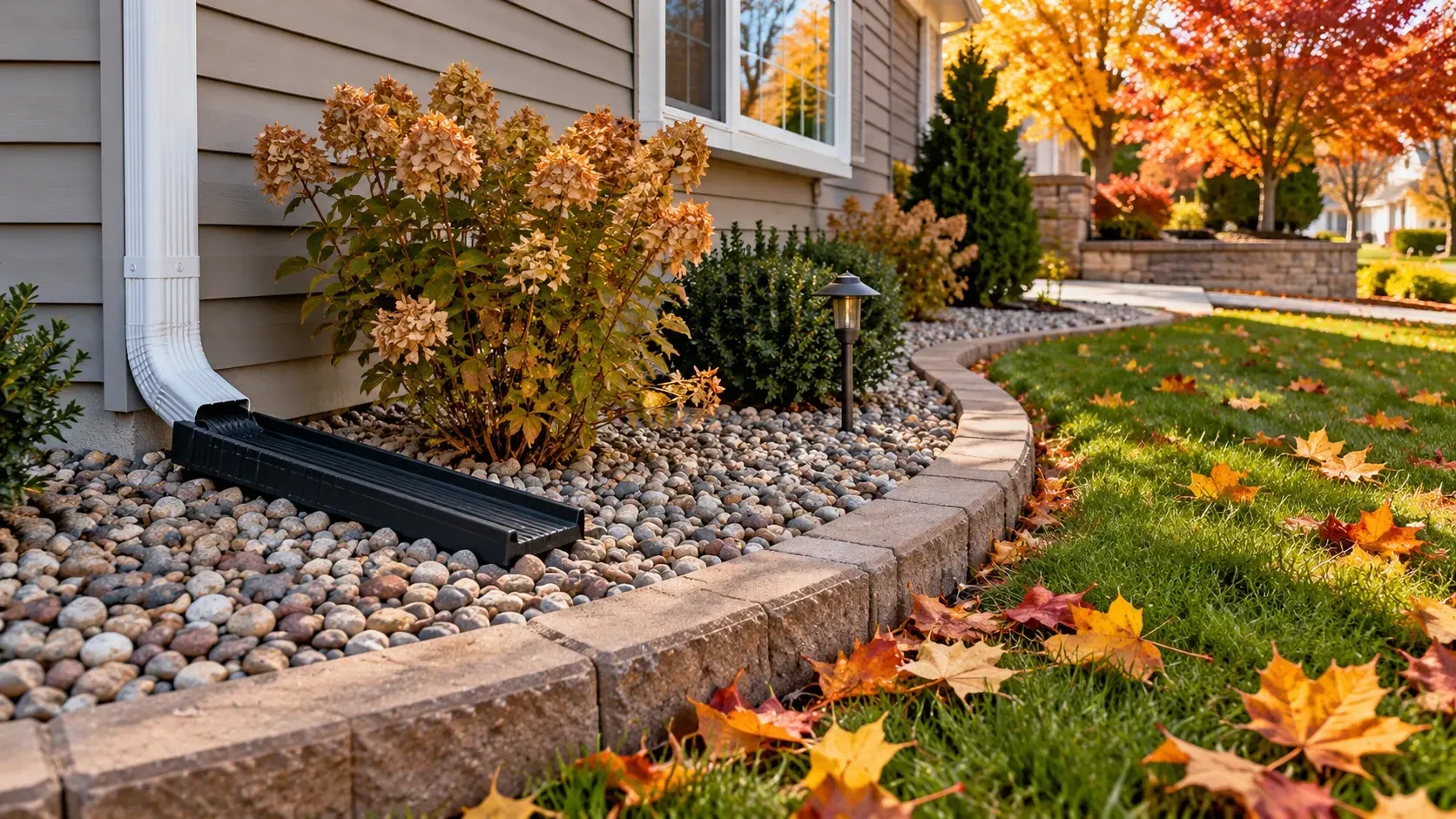
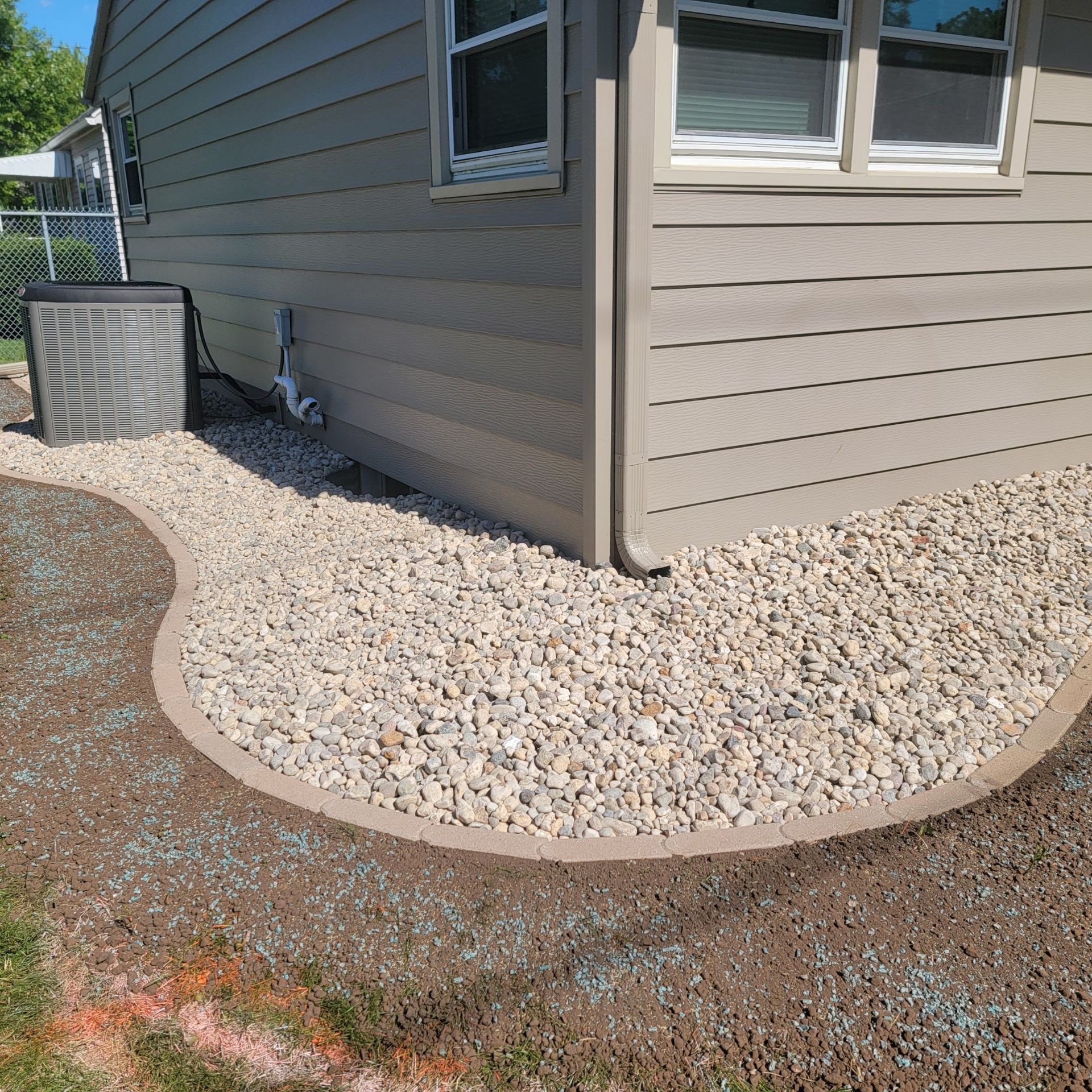
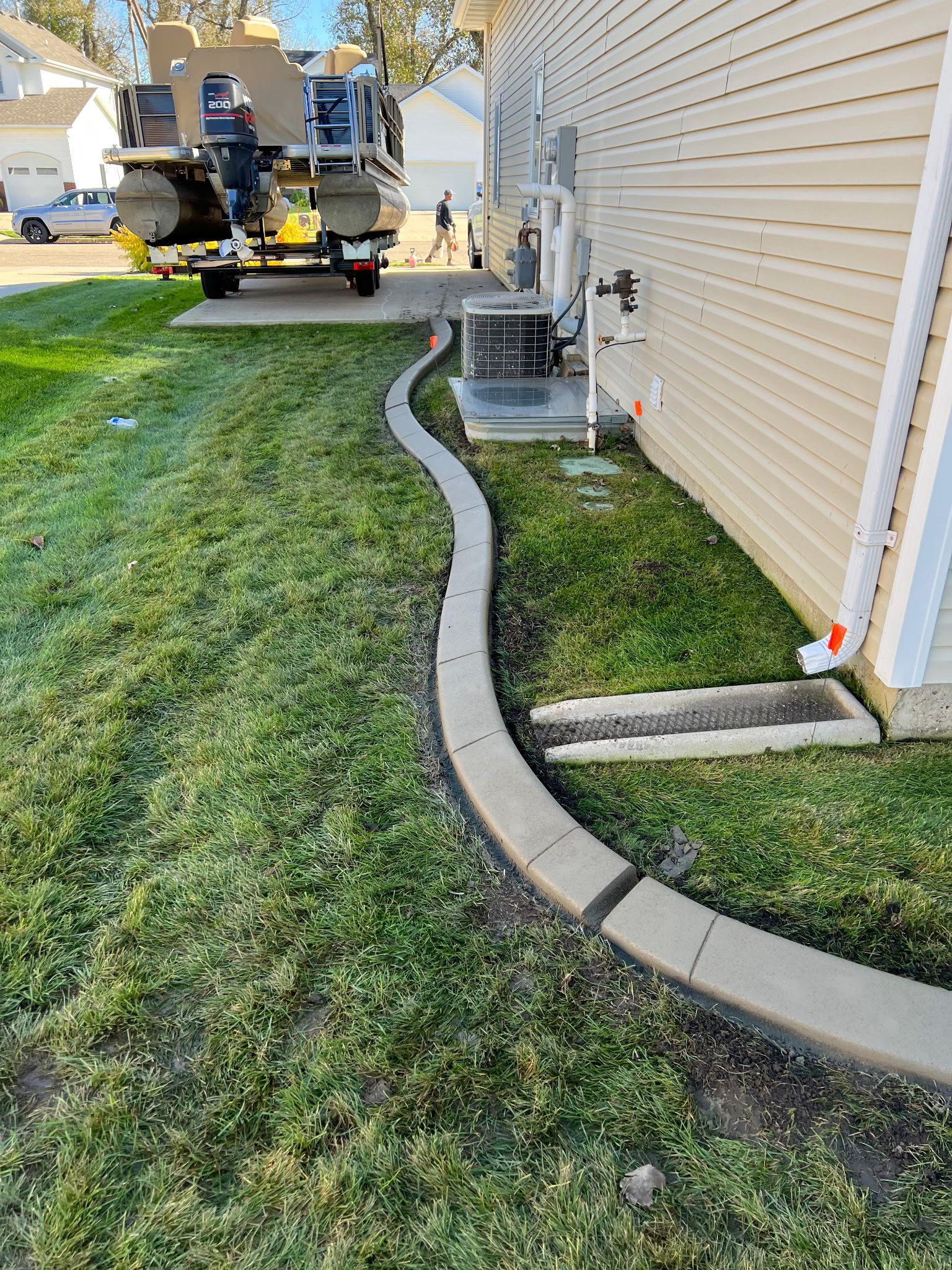
A well-defined edge reduces encroachment and makes weeding faster. If you’re tired of weekly trimming and border battles, a more permanent edge is worth considering—especially for larger beds.