Curb-Crete Concrete Curbing: Add Definition and Reduce Maintenance
Crisp borders, cleaner lines, fewer headaches—why concrete edging is one of the smartest upgrades for Janesville landscapes.
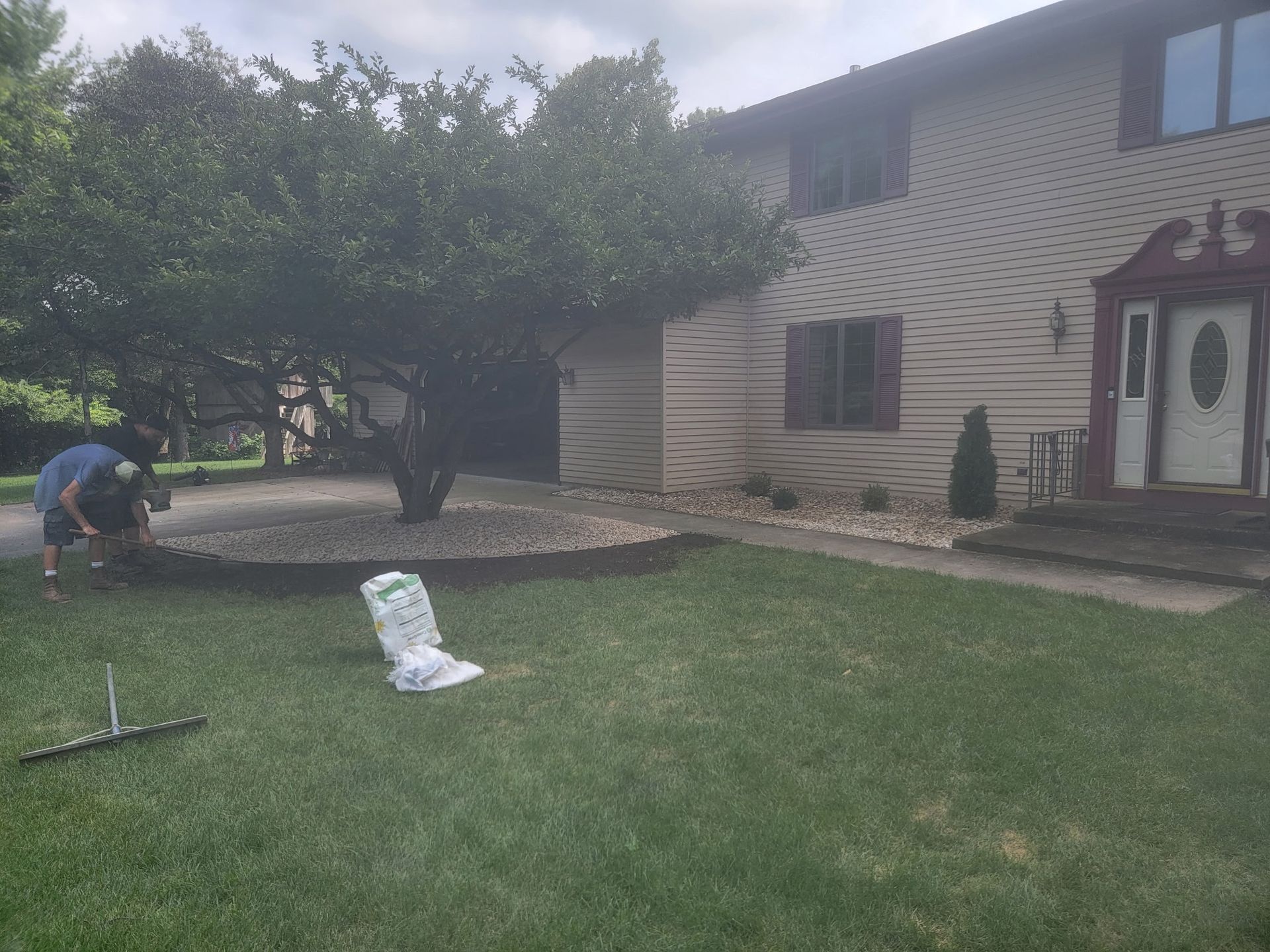
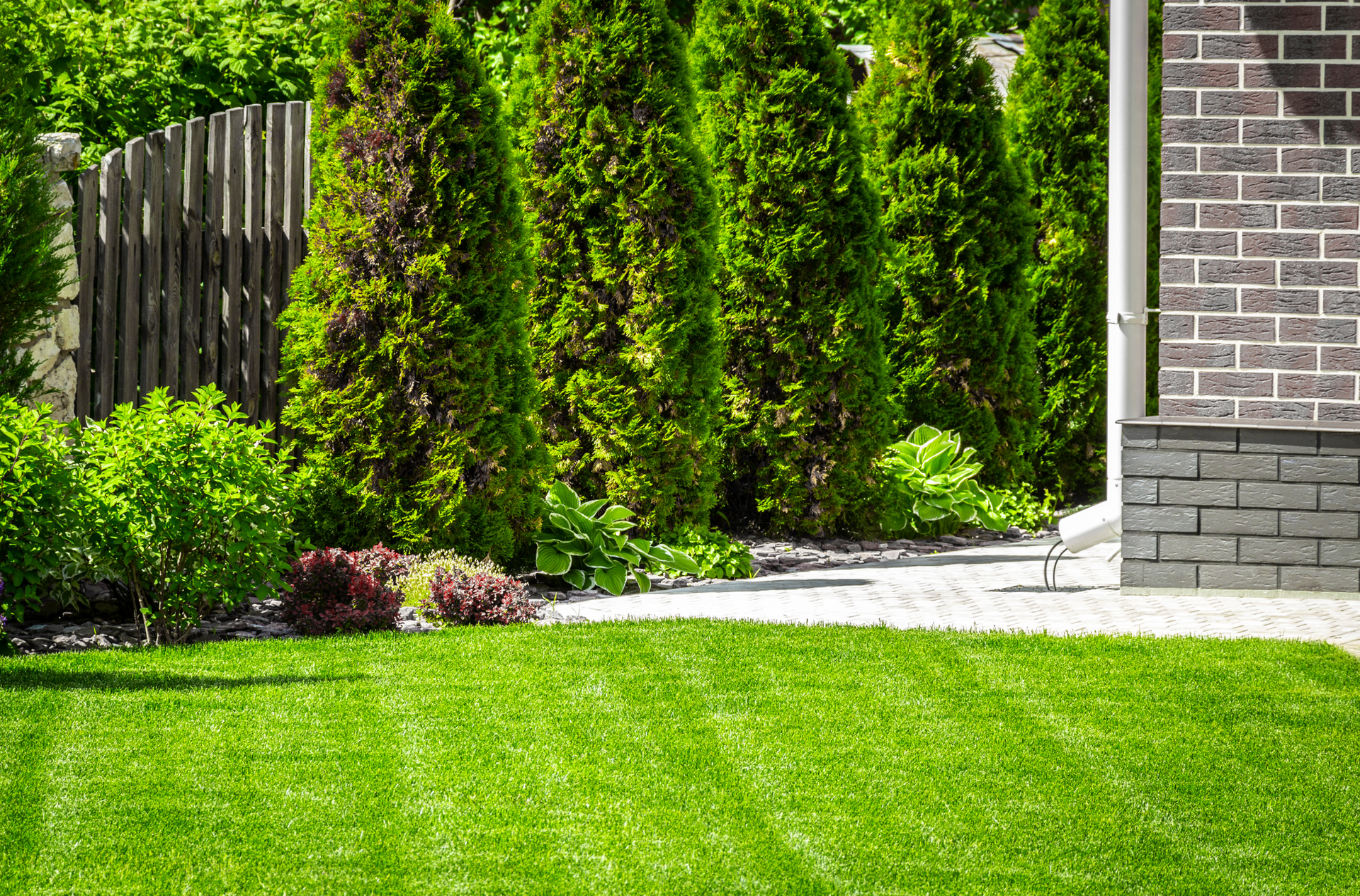
If your landscape looks “fine” but never quite feels finished, the missing piece is usually definition. Grass creeps into beds, mulch migrates onto sidewalks, rock spills into the yard, and edging gets wavy after a season or two. That’s where Curb-Crete concrete curbing earns its keep: it locks your landscape lines in place and cuts the weekly cleanup.
Rote’s Landscaping & Waterproofing installs concrete curbing in Janesville, WI, and this post breaks down what it is, why it works, and what styles you can choose from.
Explore the service page here: Concrete Curbing (Curb-Crete Borders & Edging).
What is Curb-Crete concrete curbing?
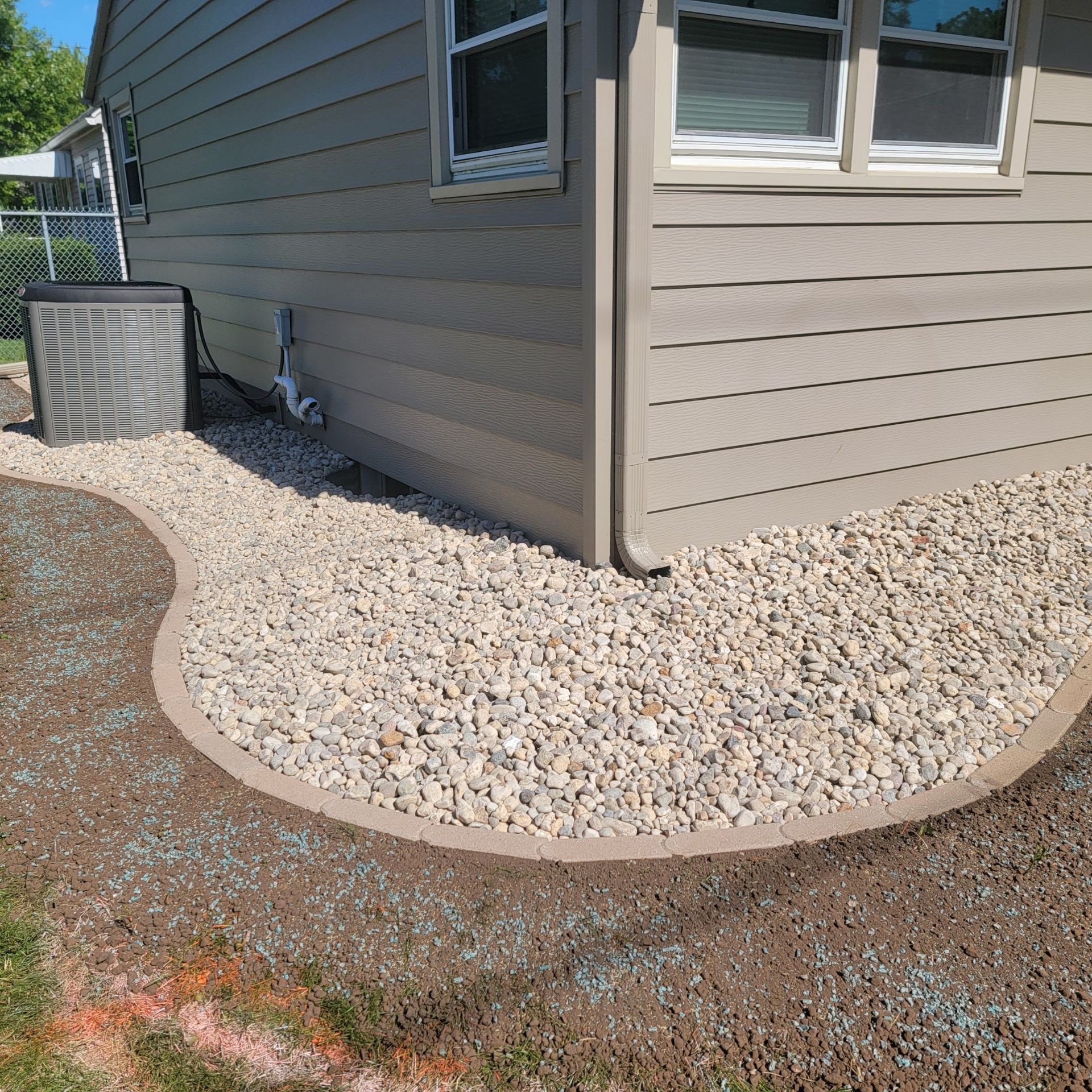
Concrete curbing is a continuous, poured-in-place border that creates a permanent edge between lawn and landscape features—beds, rock areas, trees, patios, driveways, and walkways. Unlike plastic edging that pops up or pavers that shift, concrete curbing forms a solid barrier that stays put.
Think of it as the “frame” around your landscape. And like a frame, it makes everything inside it look better.
The real benefits: why homeowners love concrete curbing
Concrete edging is one of those upgrades that pays you back in looks and reduced upkeep.
1) Cleaner lines that instantly elevate curb appeal
A defined edge makes the entire yard feel intentional—especially around:
- Planting beds
- Rock installations
- Foundation landscaping
- Tree rings
- Walkway borders
If you’re trying to increase curb appeal without rebuilding the whole yard, this is a high-impact move.
2) Less maintenance, period
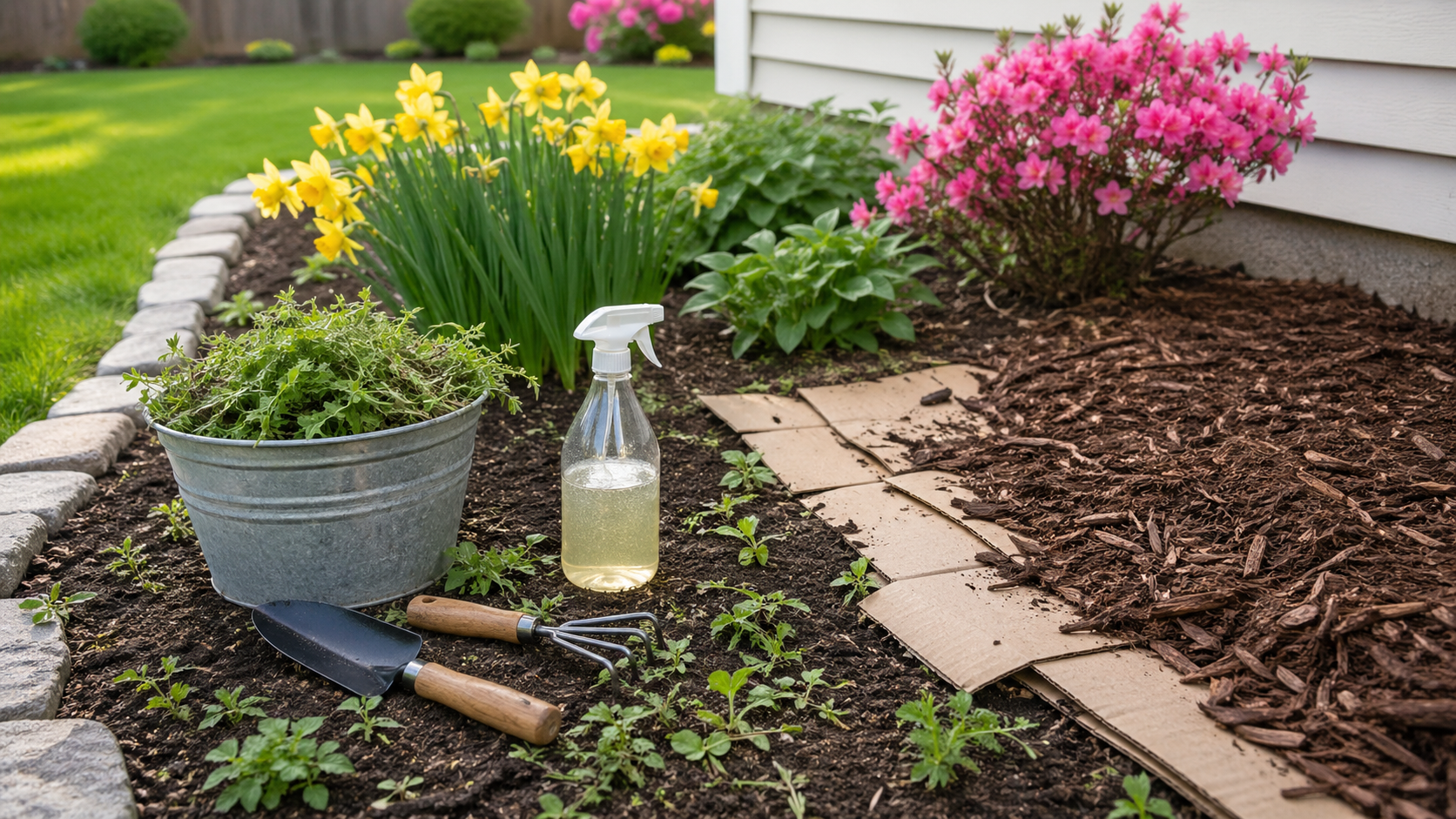
Concrete curbing reduces the constant “mess creep” that costs time:
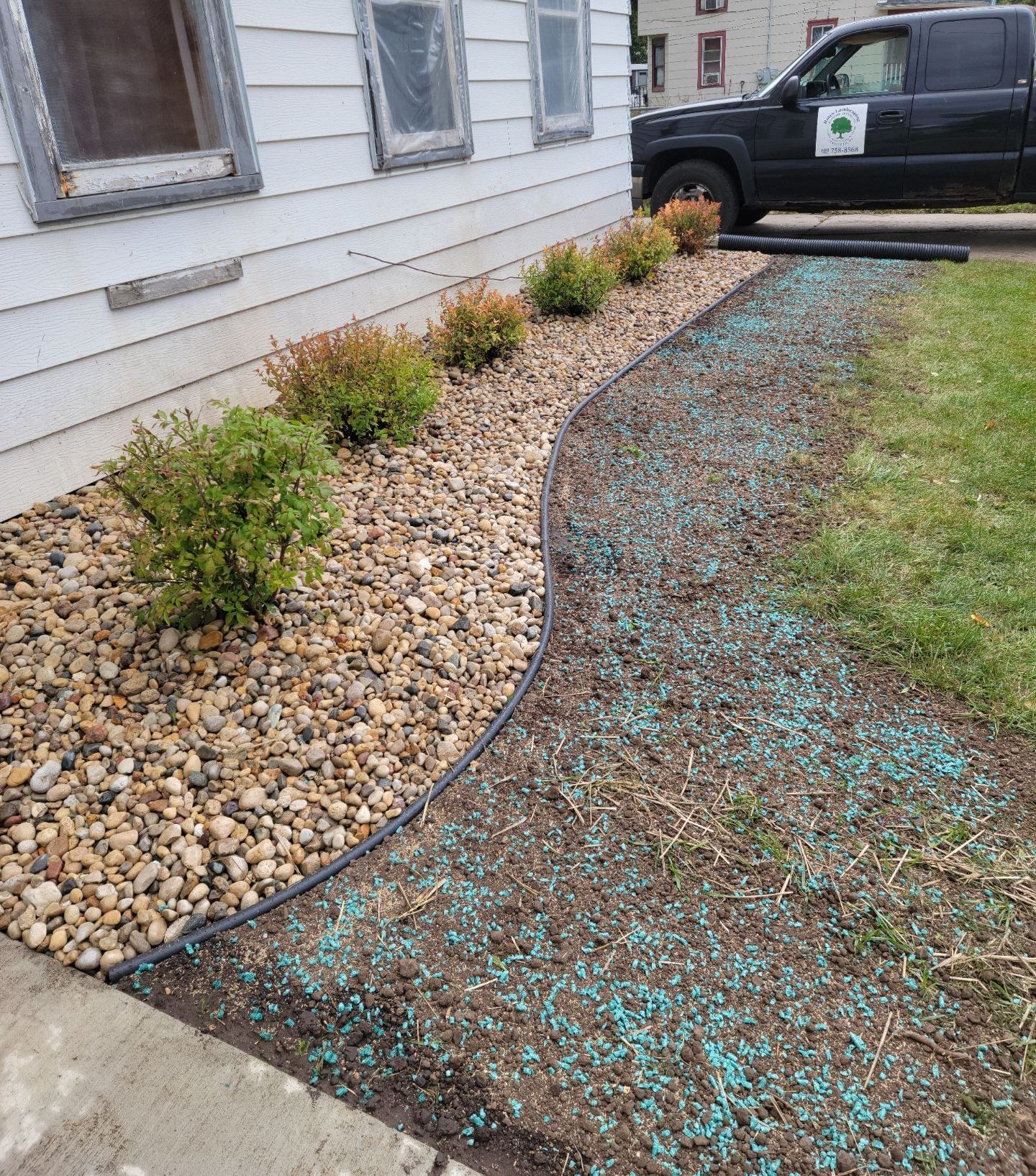
- Stops grass from invading beds
- Keeps mulch and rock where it belongs
- Cuts trimming time because your mower line is clear
- Reduces edging touch-ups along sidewalks and beds
In a Wisconsin spring, when runoff and thaw heave can move material around, curbing keeps your edges intact.
3) Better bed performance (and fewer washouts)
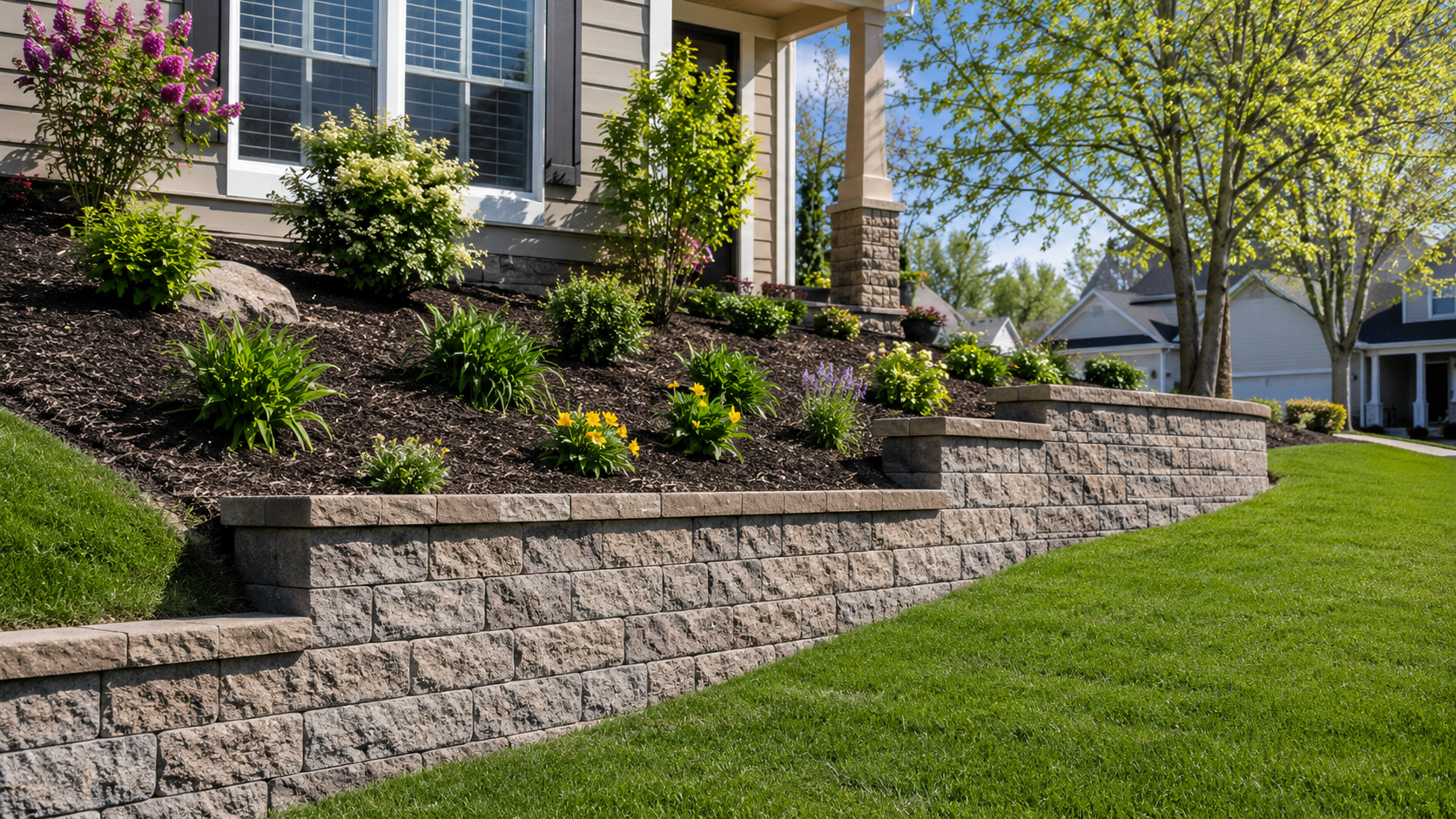
A solid border helps prevent mulch from floating or washing away during heavy rain. It also helps keep soil where it should be—especially on gentle slopes.
If drainage is a chronic issue around your home, curbing can be part of a bigger water-management strategy (grading + control). Related reading:
- Two-Pronged Waterproofing: Grading + Concrete Curbing Explained
- How Landscaping Affects Foundation Drainage
4) Durable in freeze–thaw conditions
Southern Wisconsin weather is brutal on cheap edging. Concrete curbing is built for seasonal extremes and holds up far better than thin plastic or metal edging that can buckle, separate, or rise over time.
5) A safer, cleaner edge than loose materials
Loose edging stones and small border blocks can shift into walkways or mowing paths. Concrete curbing creates a consistent edge that’s easier to navigate and maintain.
Where concrete curbing works best
Concrete curbing is versatile and looks right at home in both classic and modern landscapes. It’s especially effective for:
- Landscape beds along the house (clean transition, controlled mulch line)
Consider pairing with: Landscape Beds & Edging - Rock beds and decorative stone (prevents rock spill into lawn)
- Tree rings (keeps mulch tidy and protects trunks from string trimmers)
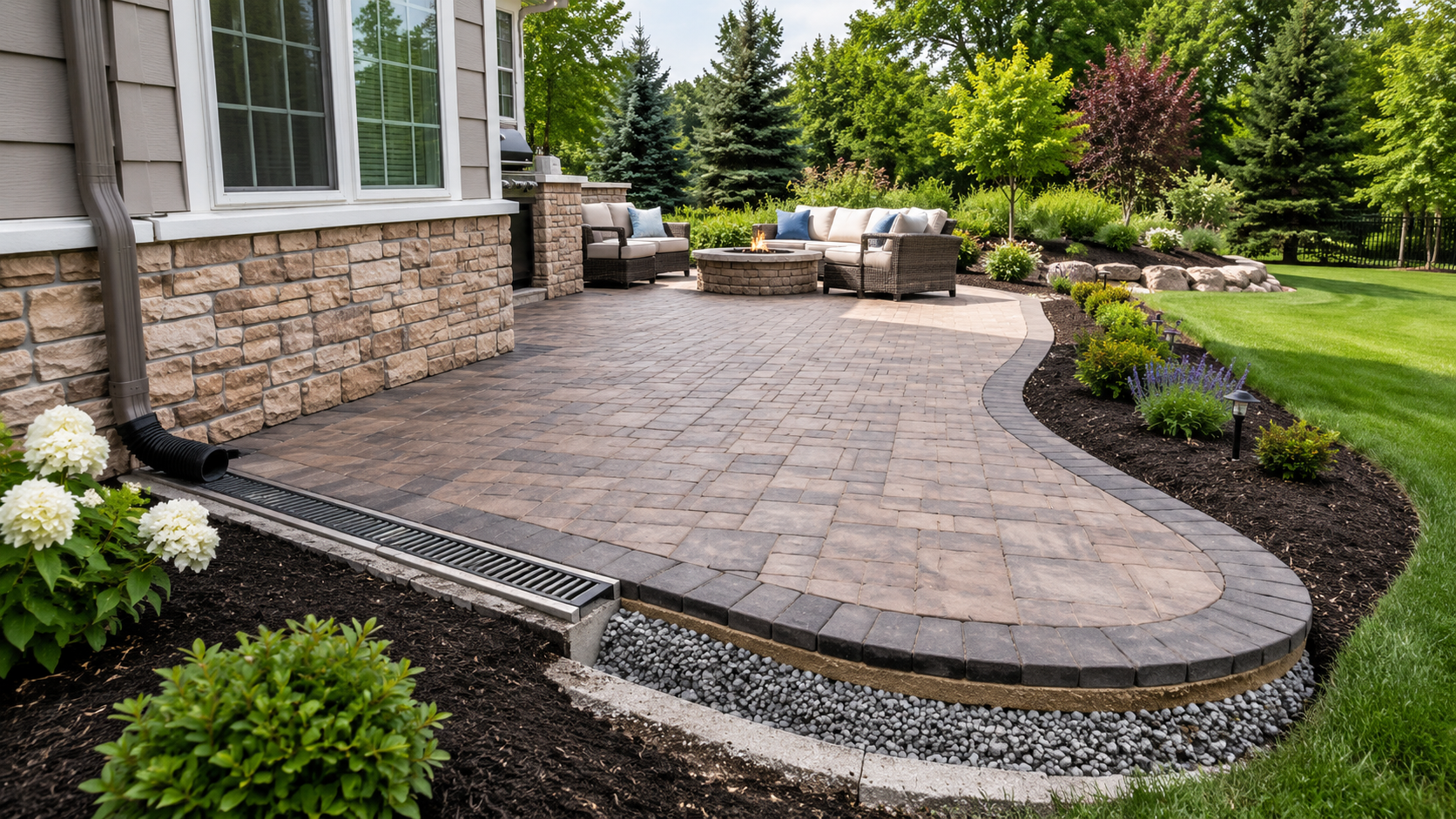
- Along patios and pavers (adds a finished edge and helps contain bedding)
Related: Brick & Paver Patios - Driveway borders and side yard strips (where mower and trimmer damage is common)
Styles and looks: it’s not “one curb fits all”
Concrete curbing has evolved. Today it’s more about design than just function. Depending on the look you want, you can choose options such as:
Smooth, clean border (modern)
A simple, smooth curb works well for contemporary homes, minimalist beds, and clean lines around rock installations.
Textured or stamped finish (decorative)
Stamped textures can mimic stone or add visual detail without the maintenance of loose border blocks.
Mower edge profile (functional)
Certain shapes make mowing easier by creating a defined wheel line and reducing the need for trimming.
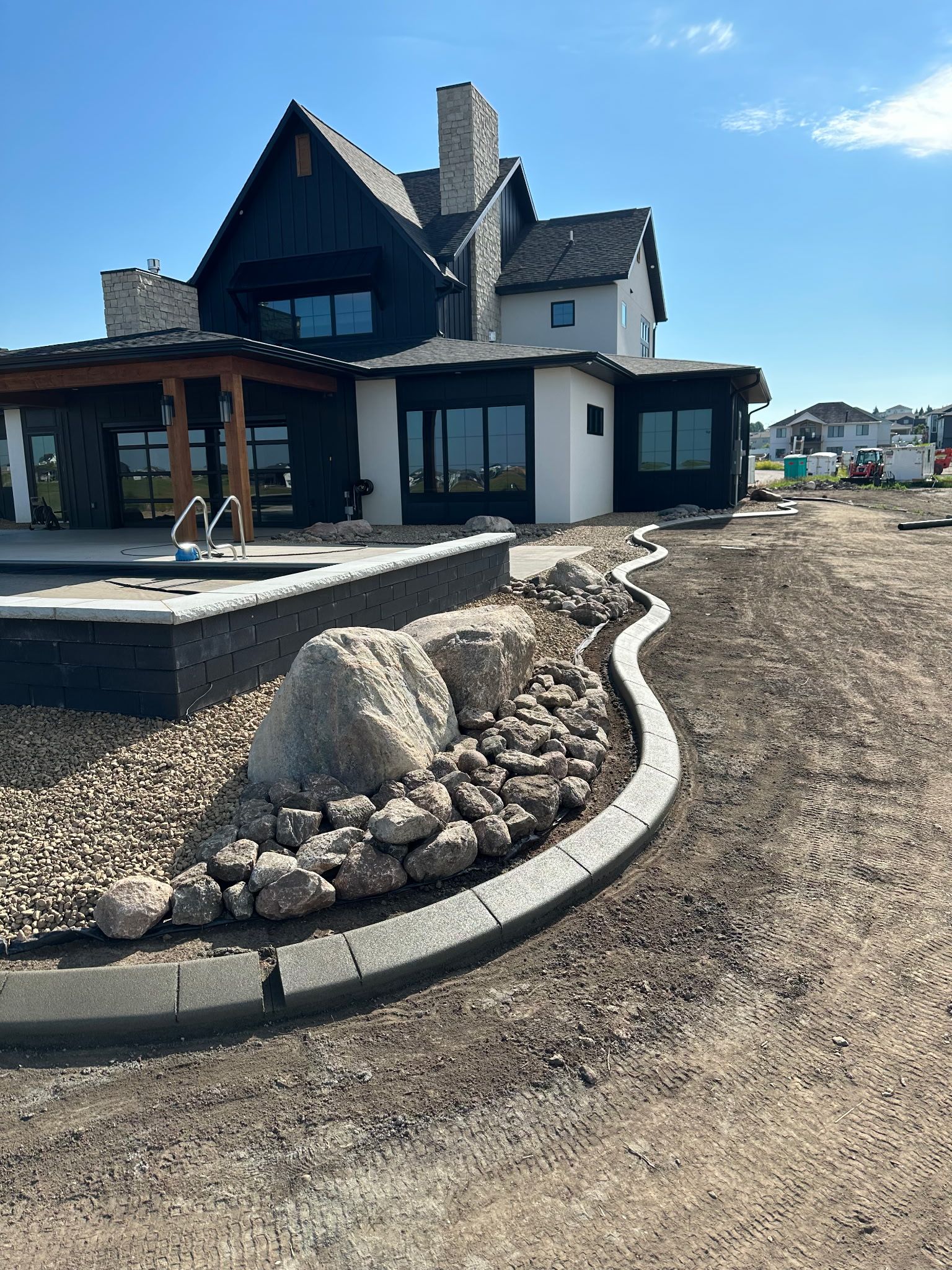
Curves, sweeps, and custom shapes
Curbing can flow around beds, trees, and yard features in a way that rigid edging materials can’t. That’s how you get those pro-level lines that look “built,” not pieced together.
For a closer look at what’s available locally, start here: Concrete Curbing (Curb-Crete) Styles & Installation.
Concrete curbing vs. other edging options
Here’s the honest comparison most homeowners are really asking for:
- Plastic edging: cheap up front, usually looks cheap later; shifts, pops up, and gets wavy.
- Metal edging: cleaner than plastic, but can bend, heave, and separate in tough winters.
- Paver borders: can look great but are labor-intensive and can settle if the base isn’t perfect.
- Natural stone: attractive but often shifts and requires re-leveling and re-setting over time.
- Concrete curbing: strong, continuous, clean, and low-maintenance—best “set it and forget it” option for most yards.
If your main goal is definition + less weekly maintenance, concrete curbing is hard to beat.
Pro tips: how to get the best result
If you’re investing in curbing, do it right so it looks great for years.
- Decide your bed lines before install. This is the moment to improve the shape of beds, not just trace the old one.
- Fix drainage and grading issues first when needed. Curbing is not a band-aid for water problems—it’s a finishing tool.
- Match the style to your home. A modern home can look odd with overly decorative edging, and vice versa.
- Think about mowing paths. Your curb line should make your mowing pattern easier, not harder.
Want your landscape to look finished—and stay that way?
Concrete curbing is one of the fastest ways to upgrade curb appeal while cutting down on trimming, edging, and cleanup.
If you’re in Janesville, WI, contact Rote’s Landscaping & Waterproofing to talk through layout, style options, and pricing.