Protecting Plants Over Winter: Best Practices for a Wisconsin Climate
A Practical Guide to Safeguarding Your Landscape Before the Freeze Sets In
Winter in southern Wisconsin is not forgiving. Once hard freezes arrive in Janesville, unprotected plants can suffer permanent damage—or be lost entirely. The good news: with the right preparation, most landscapes can come through winter healthy and ready to rebound in spring. Below is a clear, no-nonsense guide from Rotes Landscaping & Waterproofing to help homeowners protect their most vulnerable plants before cold weather takes hold.
Know Which Plants Need Protection
Not all plants require winter coverage. Focus your efforts where they matter most:
- Newly planted trees and shrubs
- Perennials that are borderline hardy for Zone 5
- Broadleaf evergreens (boxwood, rhododendron, holly)
- Roses, ornamental grasses, and tender perennials
- Container plants and raised-bed plantings
Mature, well-established native plants typically need minimal intervention. Sensitive or young plantings do not.
Mulch Strategically—Not Excessively
Mulch is your first line of defense against freeze-thaw cycles that damage roots.
Best practices:
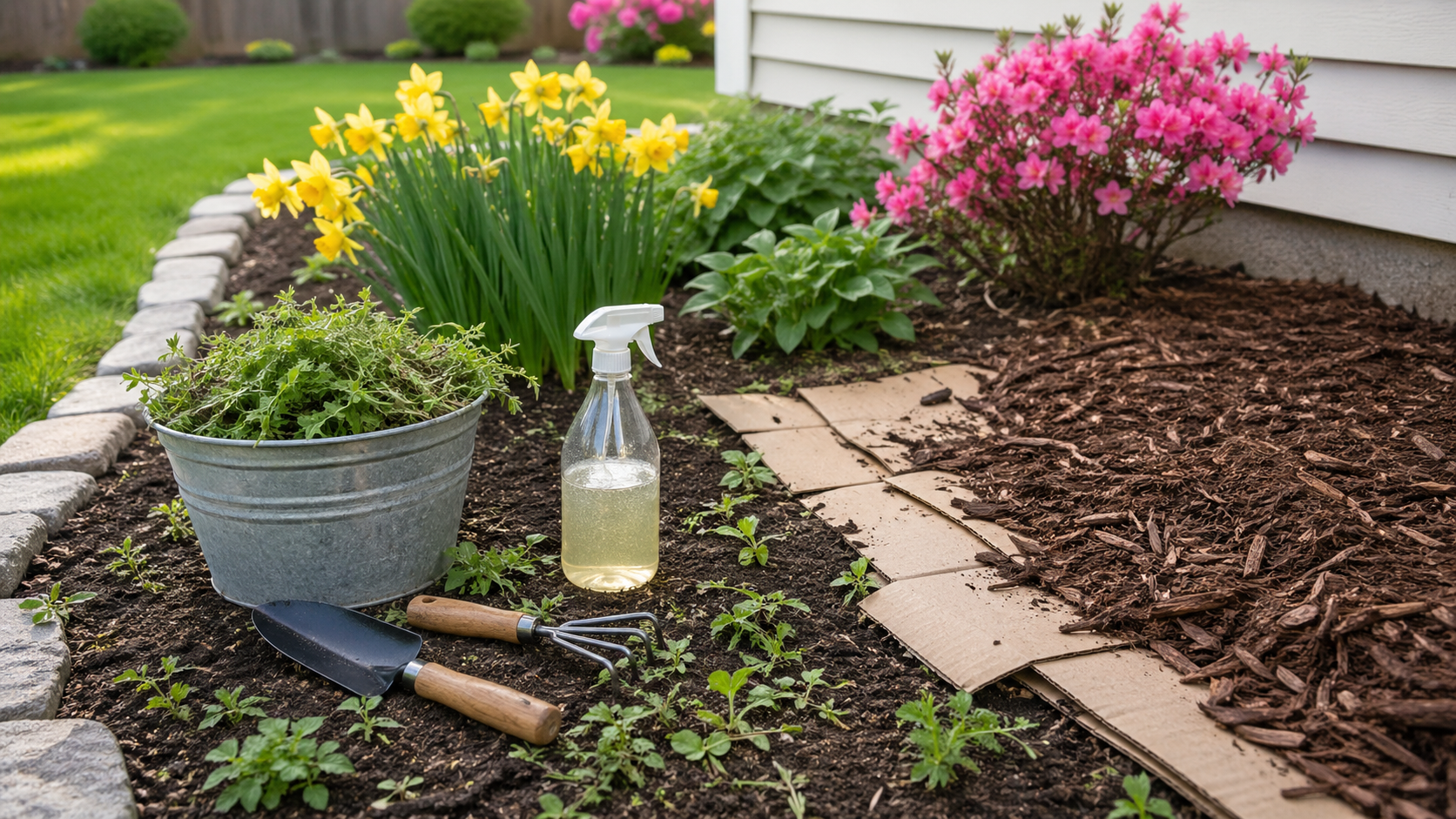
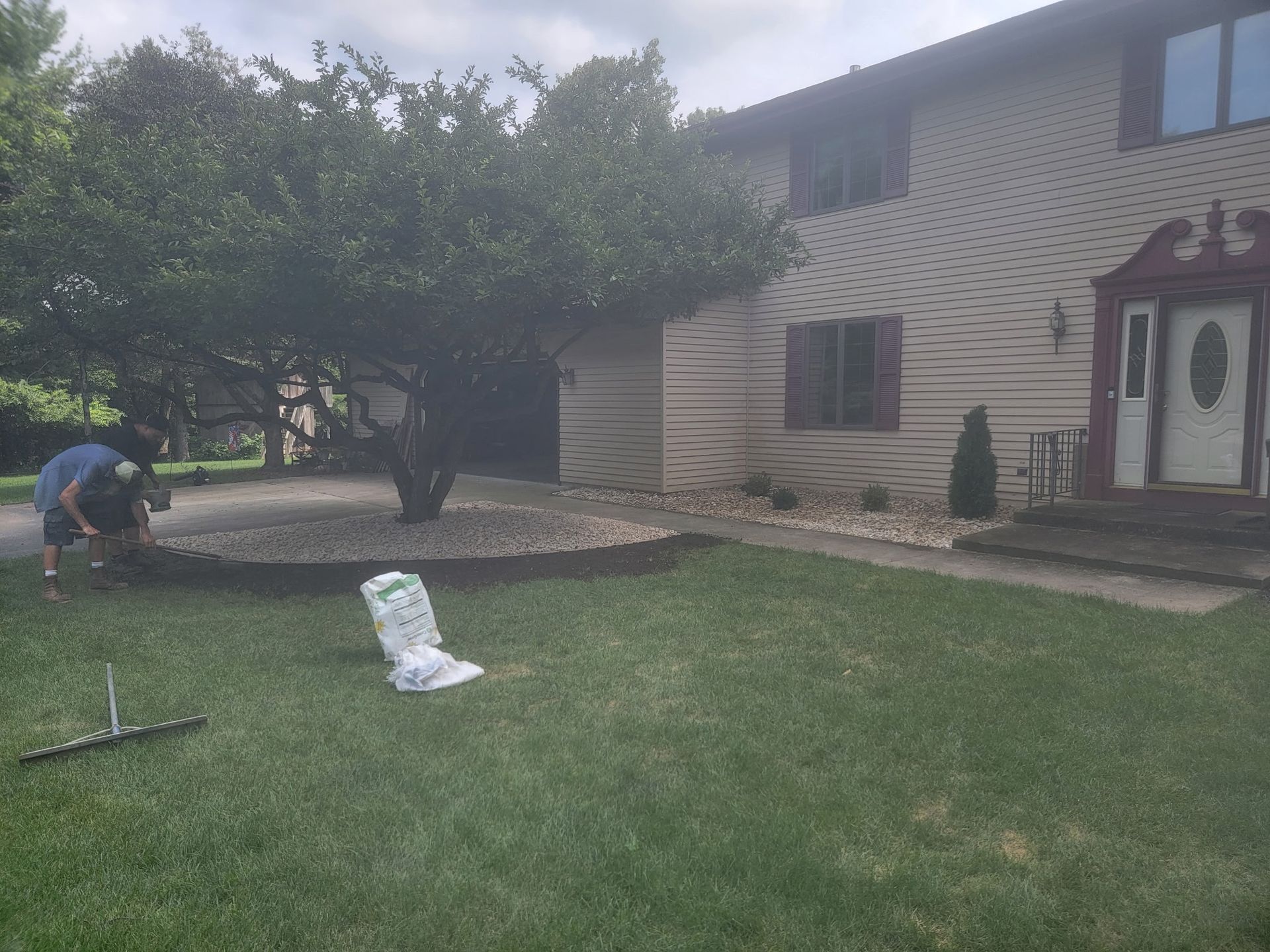
- Apply 2–4 inches of mulch after the ground begins to cool but before it fully freezes
- Keep mulch a few inches away from tree trunks and plant crowns to prevent rot
- Use shredded bark, wood chips, or leaf mulch for insulation and moisture retention
The goal is temperature stability—not smothering the plant.
Water Before the Ground Freezes
Dry plants are more vulnerable to winter damage than properly hydrated ones.
- Deeply water trees and shrubs in late fall, especially evergreens
- Pay close attention during dry autumns—frozen ground locks in whatever moisture is present
This step is often overlooked and makes a measurable difference.
Use Covers the Right Way
Plant covers can help—but only if used correctly.
Recommended options:
- Burlap wraps for shrubs and evergreens
- Frost cloths or breathable plant blankets
- Wire cages filled with leaves for roses and delicate perennials
Avoid:
- Plastic directly on plants (causes moisture buildup and freeze damage)
- Wrapping too early—wait until consistent cold arrives
Secure coverings well. Wind damage often does more harm than cold.
Protect From Snow, Ice, and Sun
Winter damage isn’t just about temperature.
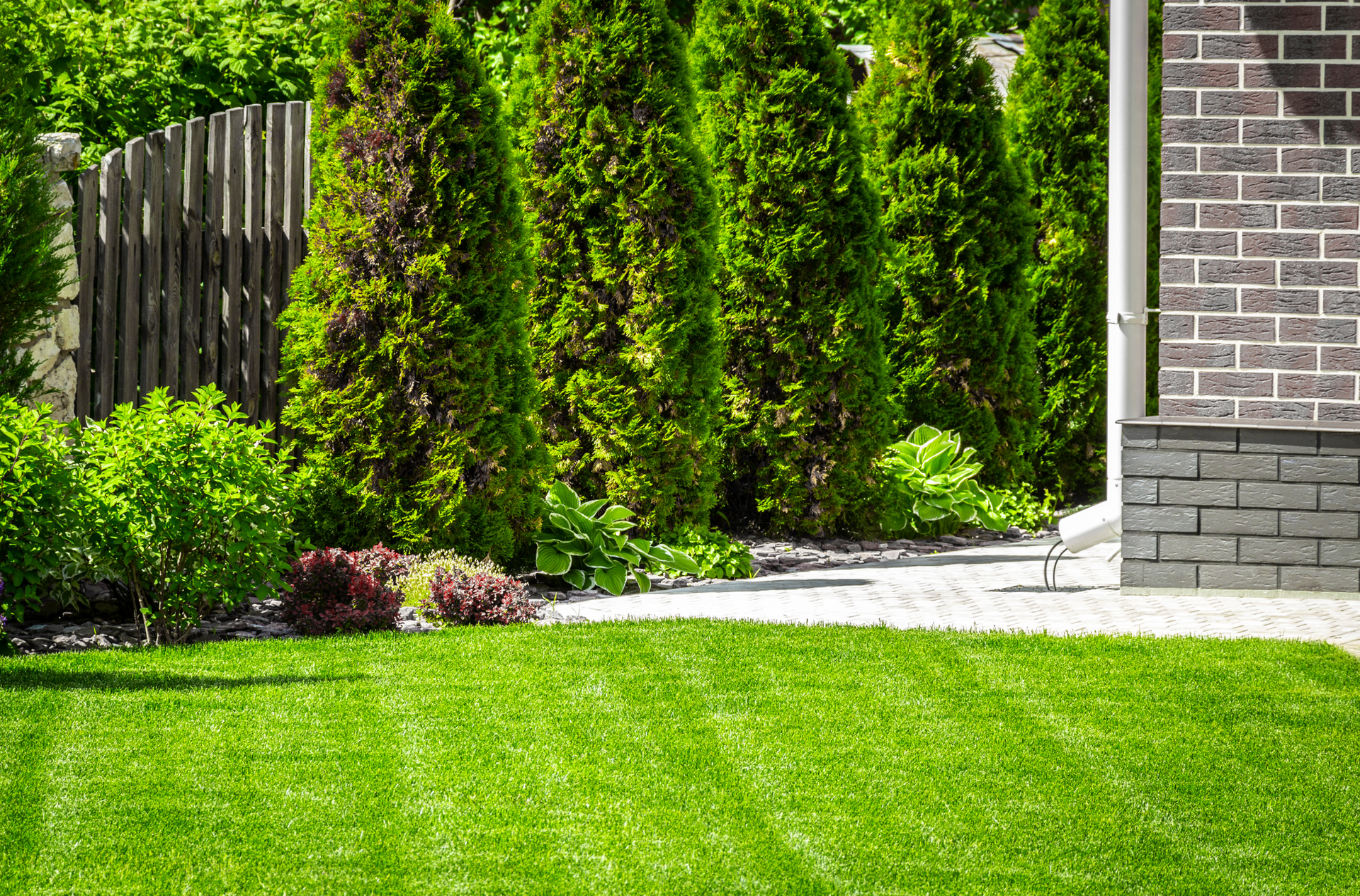
- Tie up upright evergreens to prevent snow load breakage
- Use burlap screens on the south and west sides to reduce sun scald and winter burn
- Brush off heavy snow gently—never shake frozen branches
These steps help prevent structural and bark damage that shows up months later.
Don’t Forget Containers and Hardscapes
Potted plants and landscape features need attention too.
- Move containers into unheated garages or against sheltered foundations
- Elevate pots slightly to improve drainage
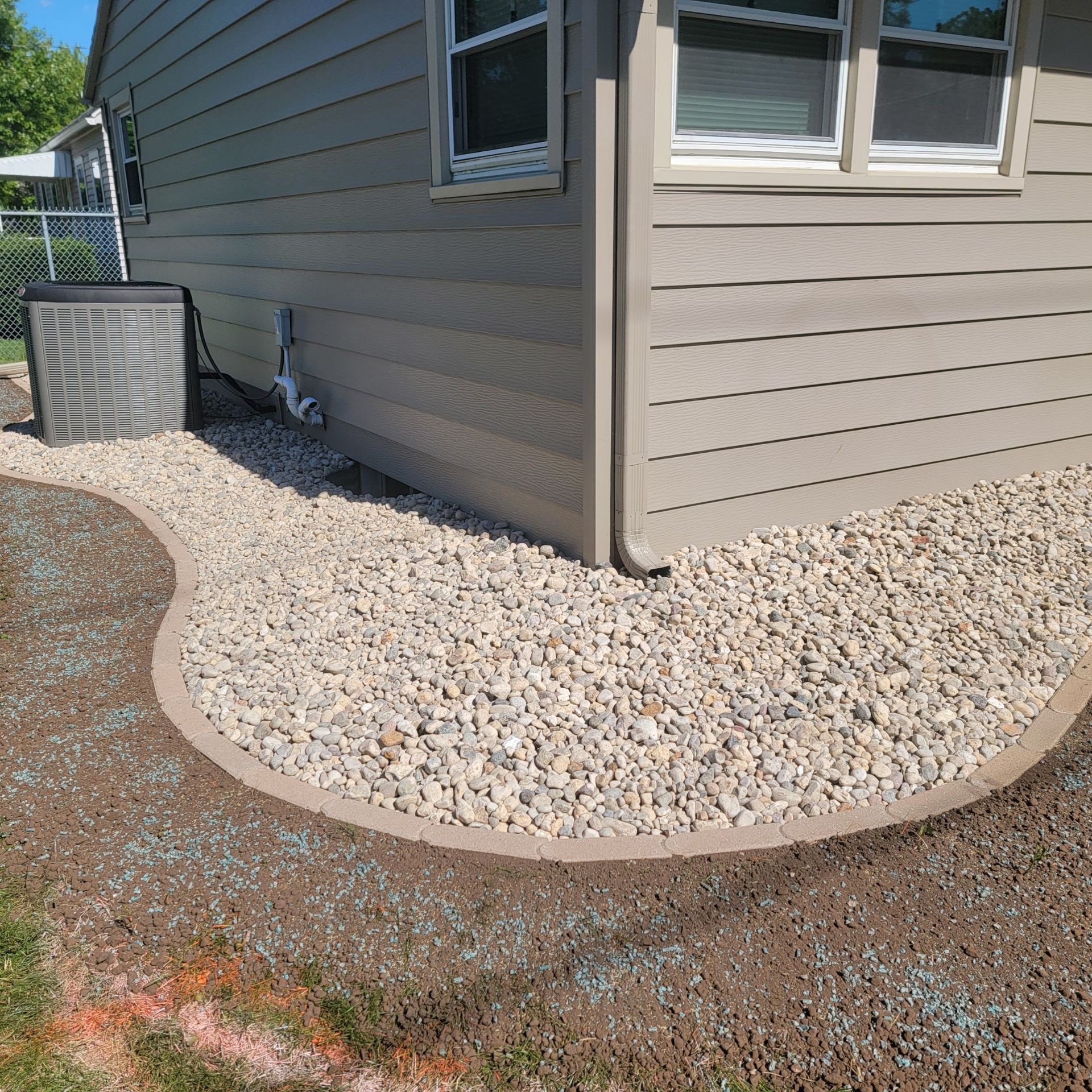
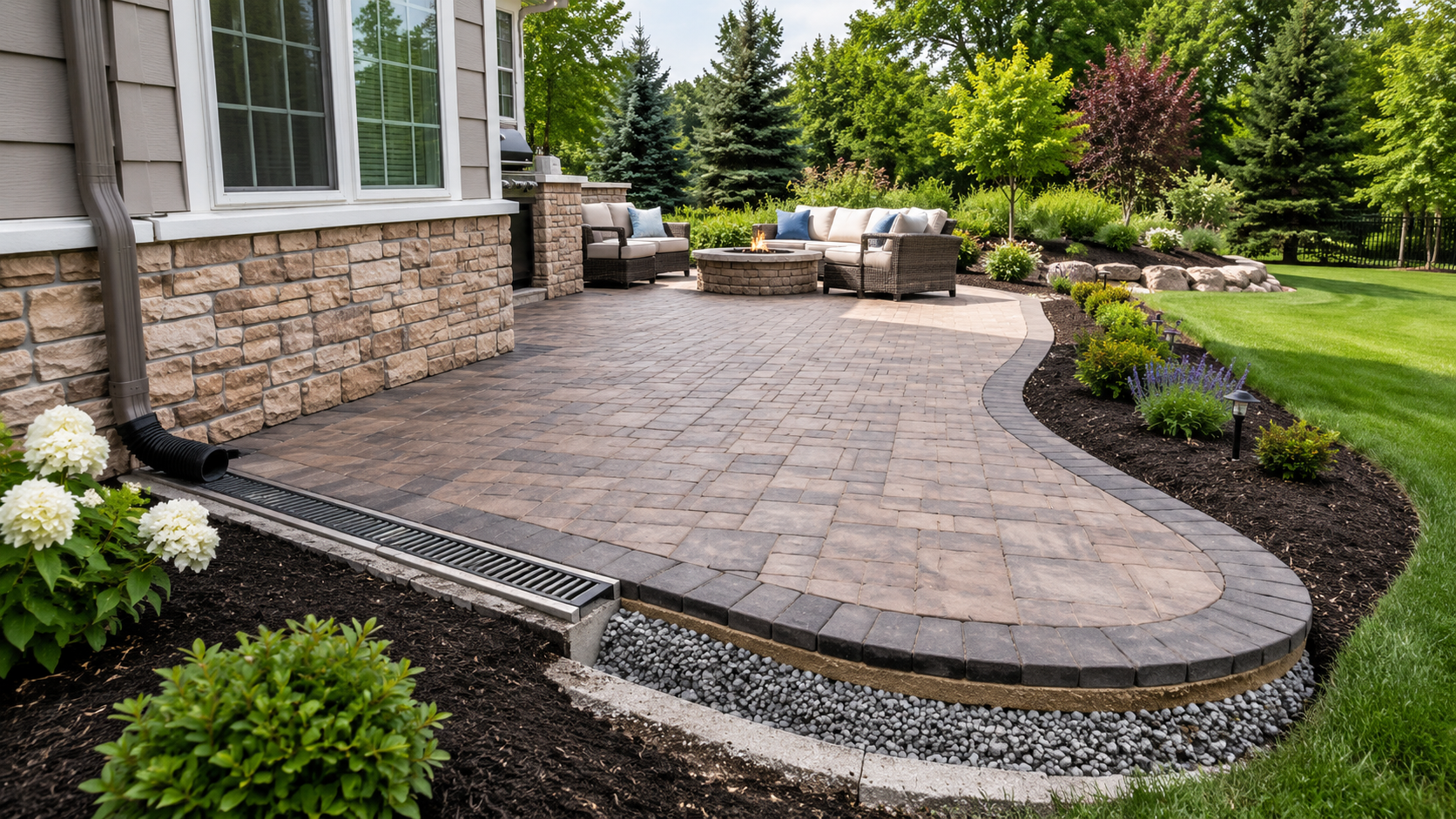
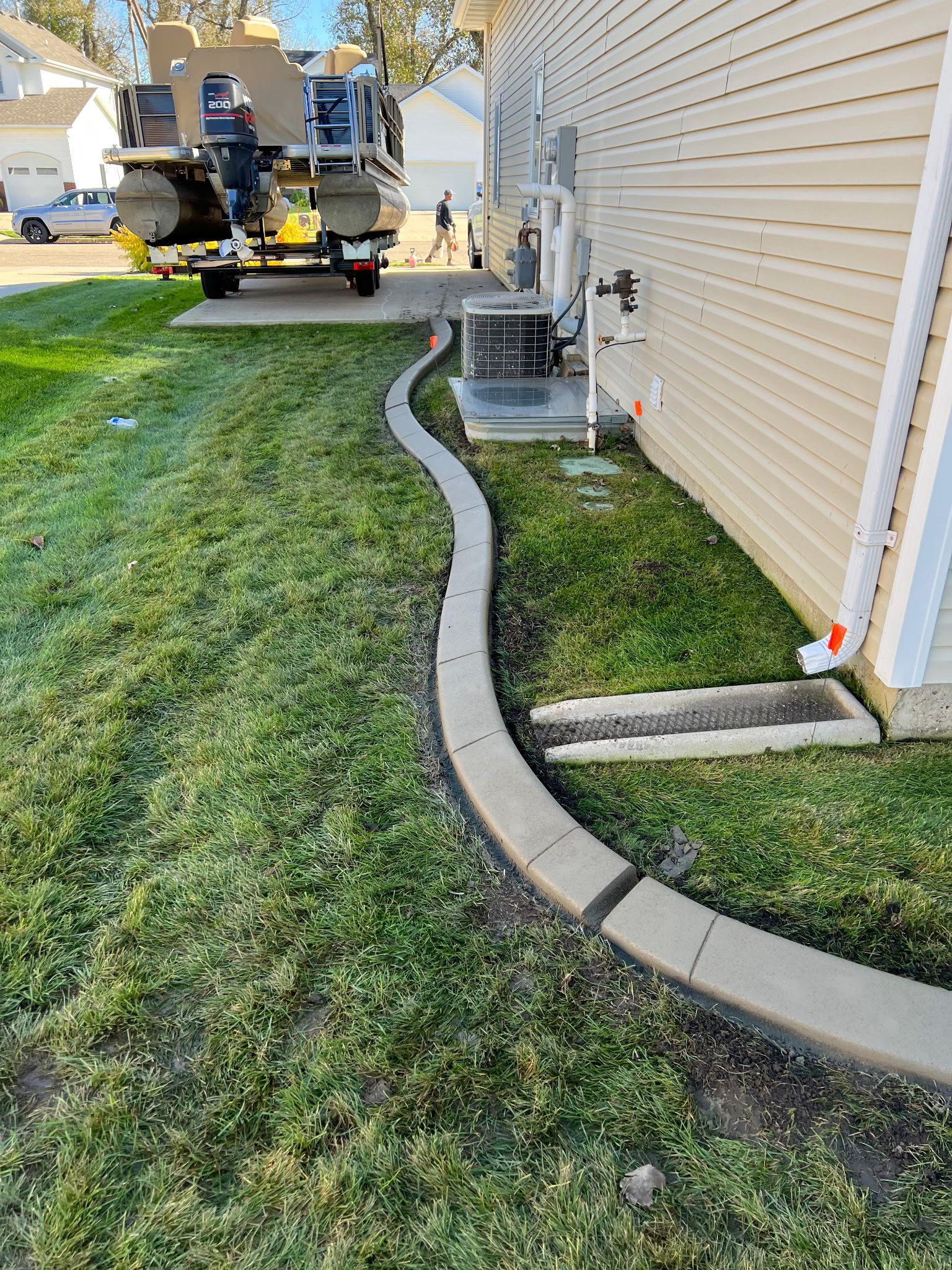
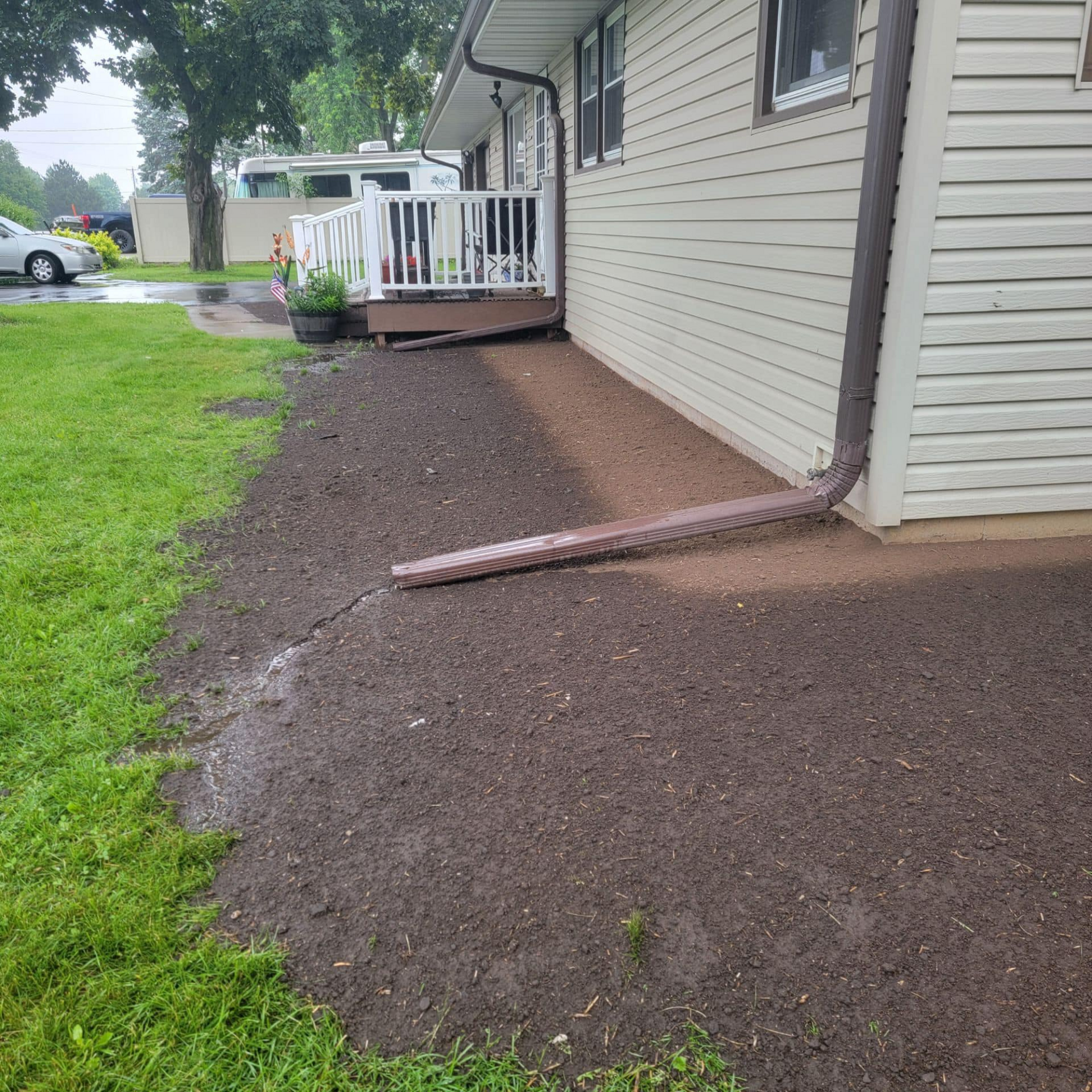
- Ensure downspouts and grading direct winter runoff away from planting beds and foundations
Poor winter drainage can damage both plants and waterproofing systems.
Plan Now, Save Time in Spring
Proper winter preparation reduces replacement costs, limits spring cleanup, and keeps your landscape investment intact. If you’re unsure which plants need protection—or want it handled professionally—Rotes Landscaping & Waterproofing can help assess your property and implement smart, seasonal solutions tailored to Janesville’s climate.
Winter is inevitable. Damage doesn’t have to be.