Fall Cleanup: Final Grading, Plant Prep & Drainage Checks
A practical checklist for avoiding winter water problems around your Janesville, WI home.
Fall cleanup is not just about leaves, dead plants, and putting garden tools away. For homeowners in Janesville and Southern Wisconsin, it is also the last real chance to catch drainage problems before winter locks everything in place.
Once freezing temperatures hit, poor grading, clogged drainage paths, packed leaves, and soggy soil can turn into bigger problems. Water that pools near the foundation in fall can freeze, expand, and contribute to soil movement. Downspouts that dump water too close to the house can create icy patches and increase basement moisture risk. Landscape beds that are too high against the siding can trap moisture right where you do not want it.
A smart fall cleanup should prepare your yard for winter while also protecting your home from water-related issues. Here is a practical checklist from Rote’s Landscaping & Waterproofing to help you clean up, prep plants, and check drainage before the cold weather sets in.
Start With a Walkaround After Rain
The best time to inspect your yard is not on a dry day. Walk around your property after a decent rain and look for where the water actually goes.
Pay close attention to:
- Standing water near the foundation
- Soft or muddy soil beside the house
- Mulch or rock washing out of beds
- Water collecting near basement windows
- Downspouts discharging too close to the home
- Low spots near patios, walkways, or retaining walls
- Soil sloping back toward the foundation
These are the warning signs that your yard may need grading, drainage improvements, or waterproofing attention before winter.
If you are unsure how landscaping affects your foundation, Rote’s guide on how landscaping affects foundation drainage is a helpful starting point.
Check the Grade Around the Foundation
Proper grading is one of the most important parts of fall water control. Soil should slope away from the house so rain and melting snow move outward instead of collecting against the foundation.
Look for areas where soil has settled along the home. This is common around older houses, near downspouts, under roof drip lines, and around utility penetrations.
Red flags include:
- Soil lower next to the foundation than the surrounding yard
- Water running toward the home instead of away
- Gaps or dips along basement walls
- Mulch piled too high against siding
- Rock beds that look sunken or uneven
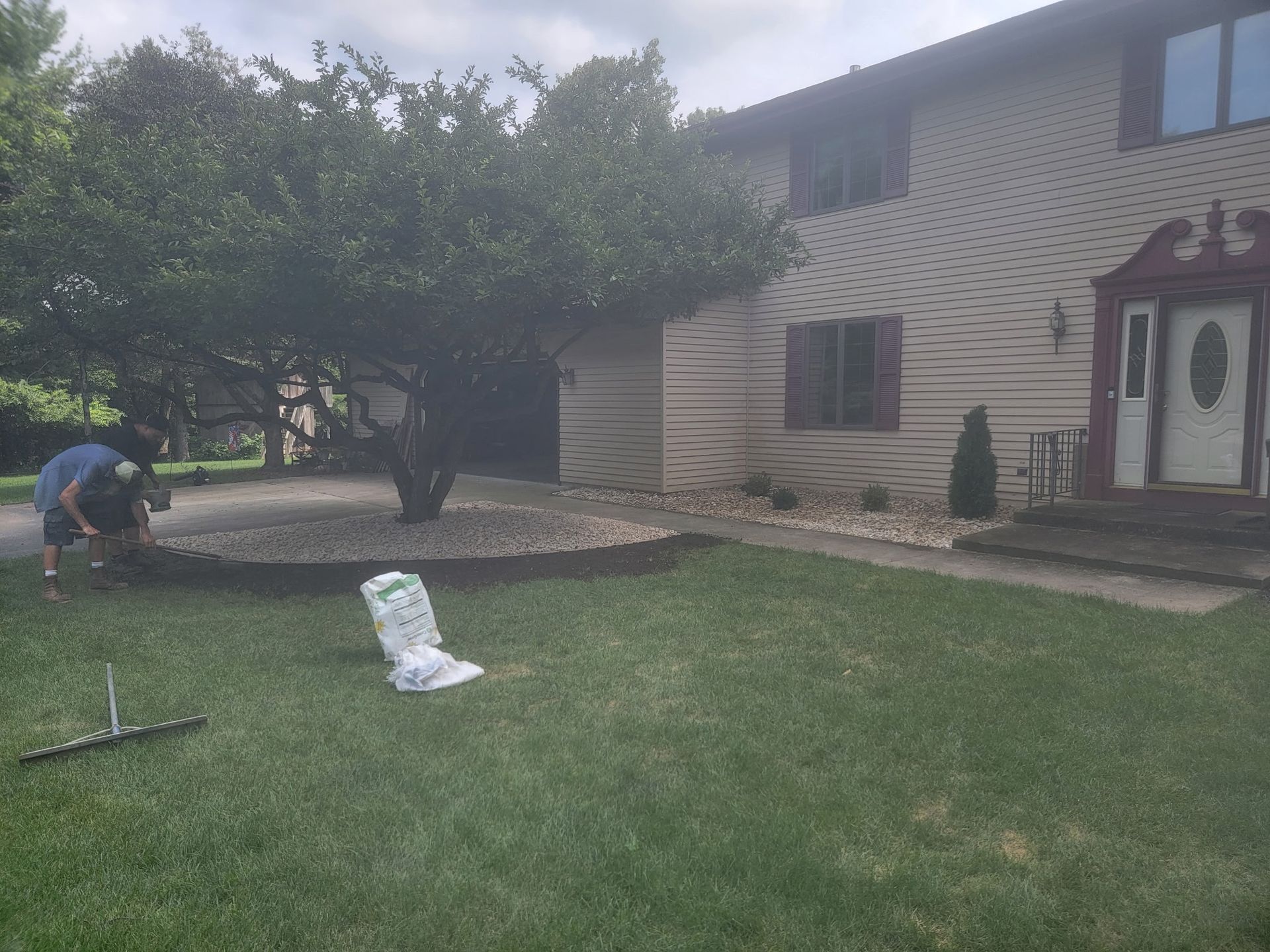
If the grade is wrong, adding more mulch will not fix the issue. The soil underneath needs to be shaped correctly first. This is where professional grading can prevent long-term water problems.
For larger drainage concerns, Rote’s waterproofing and basement drainage services can help address water before it becomes a bigger issue.
Clear Leaves From Drainage Paths
Leaves look harmless, but when they pack into drainage areas, they can block water flow fast. Wet leaves can create dams around curbing, patios, window wells, downspouts, and retaining walls.
During fall cleanup, remove leaves from:
- Downspout discharge areas
- Window wells
- Patio edges
- Walkways and steps
- Retaining wall bases
- Rock beds near the foundation
- Drainage swales or low channels
- Curbing and bed edges
The goal is simple: keep water moving. If leaves stop water from draining away, that water can pool, freeze, and create problems through winter.
Inspect Downspouts Before Freeze-Up
Downspouts are one of the easiest drainage items to overlook. They may look fine from a distance, but if they are disconnected, crushed, clogged, or aimed poorly, they can dump roof water right where it causes the most damage.
Before winter, make sure every downspout:
- Is firmly connected
- Discharges away from the foundation
- Is not blocked by leaves or debris
- Does not drain into a low spot
- Does not create water near walkways or steps
- Is not buried under mulch, rock, or soil
A short downspout extension may help, but if water still runs back toward the home, the issue may be grading. Rote’s can evaluate the larger drainage pattern and recommend a better long-term solution.
Clean Up Landscape Beds Without Over-Stripping Them
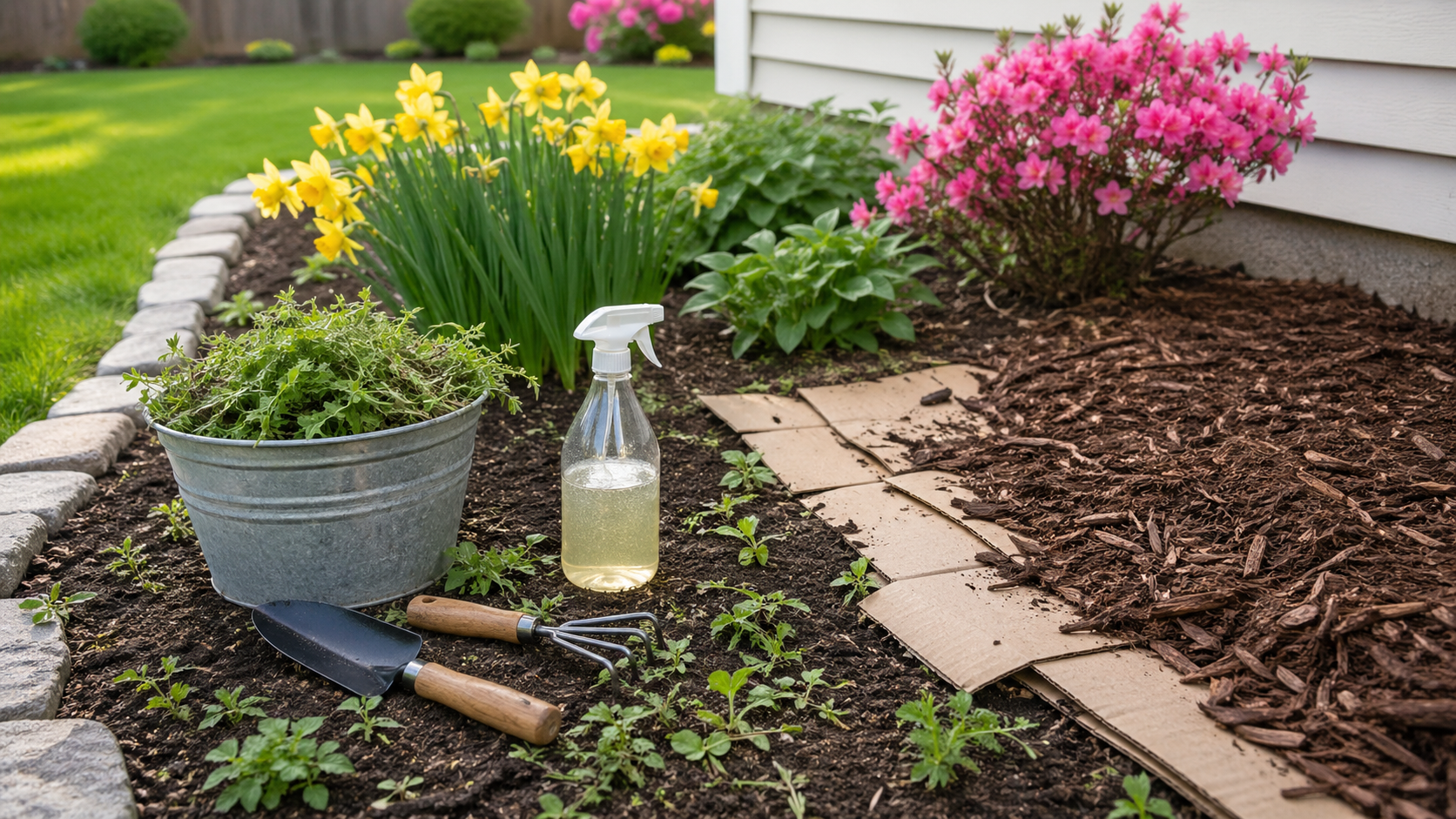
Fall plant cleanup is a balance. You want beds to look clean and reduce disease pressure, but you do not want to strip everything bare before winter.
Remove:
- Diseased plant material
- Annuals that are finished
- Weeds before they seed
- Heavy leaf piles smothering plants
- Dead branches and broken stems
- Excess mulch piled against plant crowns or siding
Leave some healthy perennial stems and natural material where appropriate, especially if they help protect plants or support beneficial insects. The key is to remove problem material while keeping the bed stable.
If your beds are poorly shaped, hard to maintain, or constantly washing out, fall is a good time to plan improvements for spring. Rote’s landscape beds and edging services can help create cleaner, more manageable beds around the home.
Pull Weeds Before They Become Next Year’s Problem
Do not wait until spring to deal with weeds. Fall weeds can drop seed and come back stronger the following year.
Focus on:
- Weeds growing along foundation beds
- Grass creeping into landscape beds
- Weeds around patios and walkways
- Growth near retaining walls
- Weeds around downspouts and AC units
A clean edge going into winter makes spring cleanup easier. It also prevents weeds from trapping debris and moisture near the home.
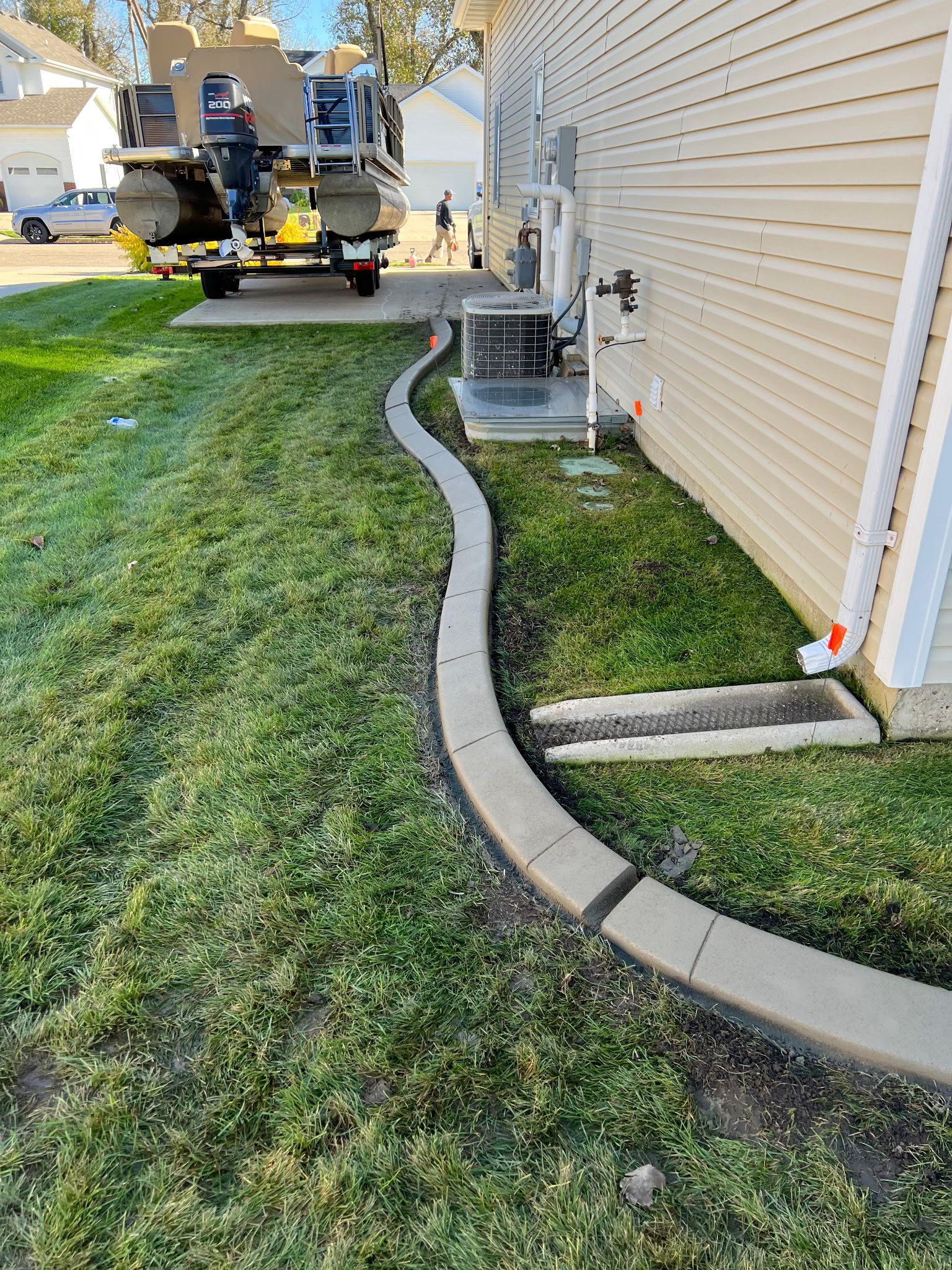
For beds that keep losing their shape, concrete curbing can be a strong option. Rote’s Curb-Crete concrete curbing adds definition, helps contain rock or mulch, and reduces maintenance around landscape areas.
Check Retaining Walls for Drainage Issues
Retaining walls should be inspected before winter because freeze-thaw conditions can make existing problems worse.
Look for:
- Bulging or leaning sections
- Soil washing out near the base
- Water stains on the wall face
- Settled areas behind the wall
- Cracks or gaps between blocks
- Pooling water above or below the wall
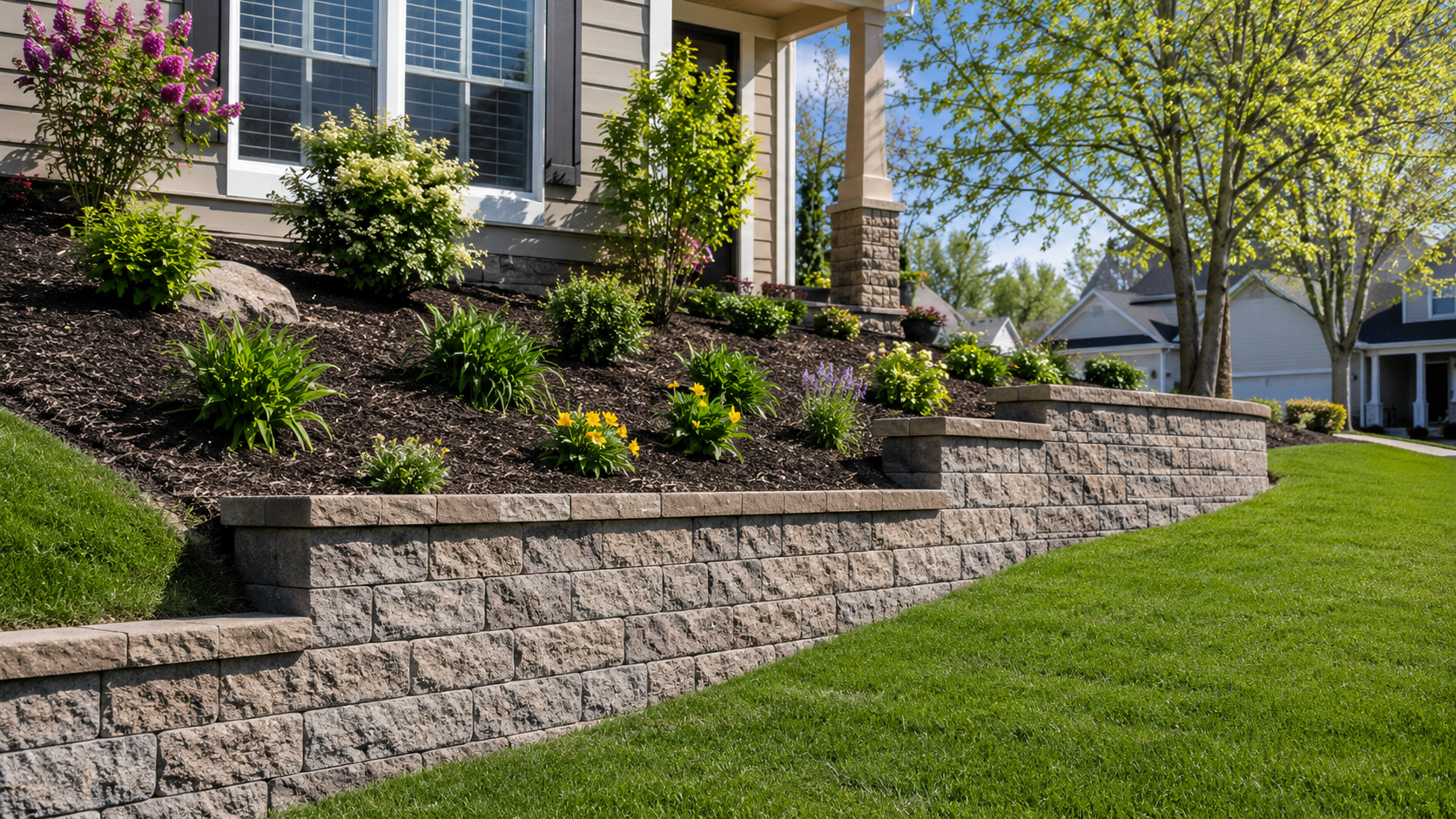
A retaining wall is only as reliable as the drainage behind it. If water builds up behind the wall and freezes, pressure increases. Over time, that can cause movement or failure.
If your wall is showing signs of trouble, do not ignore it. Rote’s retaining wall services can help with walls built for both erosion control and curb appeal.
Look at Patios, Walkways, and Hardscape Edges
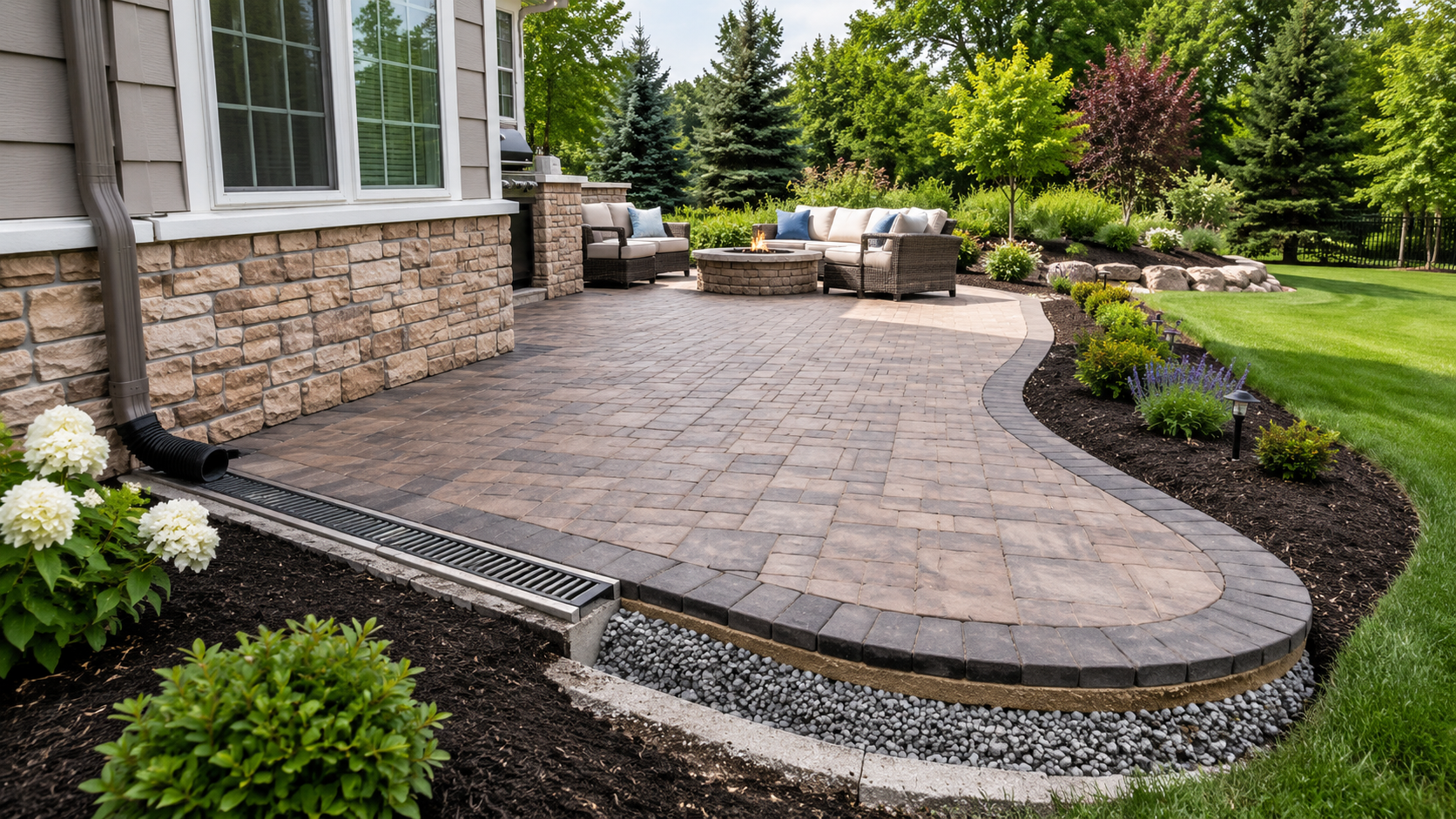
Patios and walkways should shed water properly before winter. If water sits on or around hardscapes, it can freeze, create slick spots, and contribute to shifting or settling.
Check for:
- Low spots where water pools
- Pavers that have shifted or sunk
- Edges where gravel or base material is washing out
- Soil or mulch spilling onto the patio
- Water draining toward the house
- Ice-prone areas near doors or steps
If a patio was installed without proper grading or drainage, fall and winter will expose it. Rote’s brick and paver patio services focus on both appearance and proper groundwork so outdoor spaces hold up better through Wisconsin weather.
Prep Rock Beds Around the Home
Rock beds can be a smart low-maintenance choice near foundations, but they still need seasonal attention.
Before winter:
- Remove leaves and organic debris from the rock
- Check that stone has not sunk or shifted
- Make sure rock is not covering drainage outlets
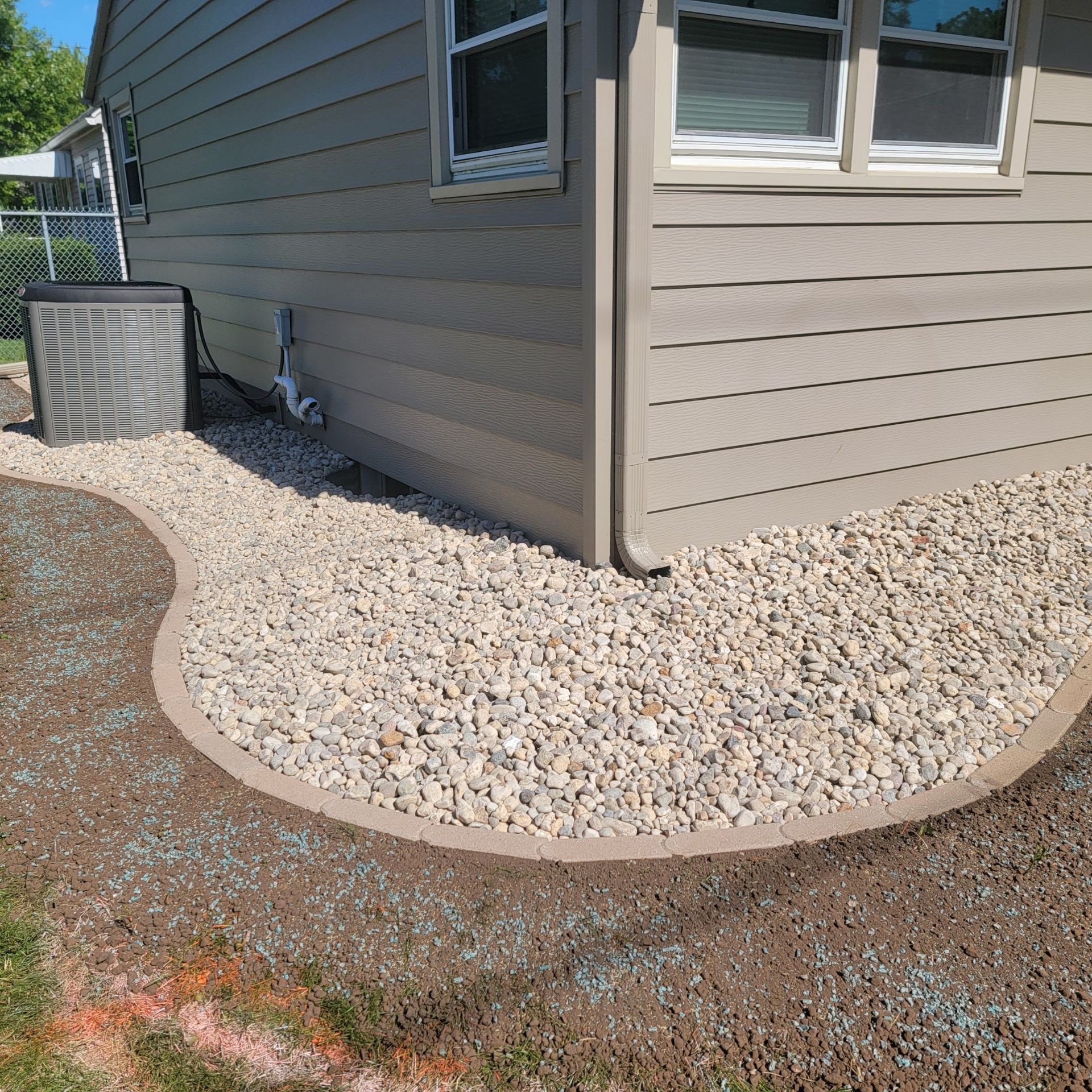
- Keep rock below siding and weep areas
- Confirm water still moves away from the home
- Watch for weeds growing through fabric
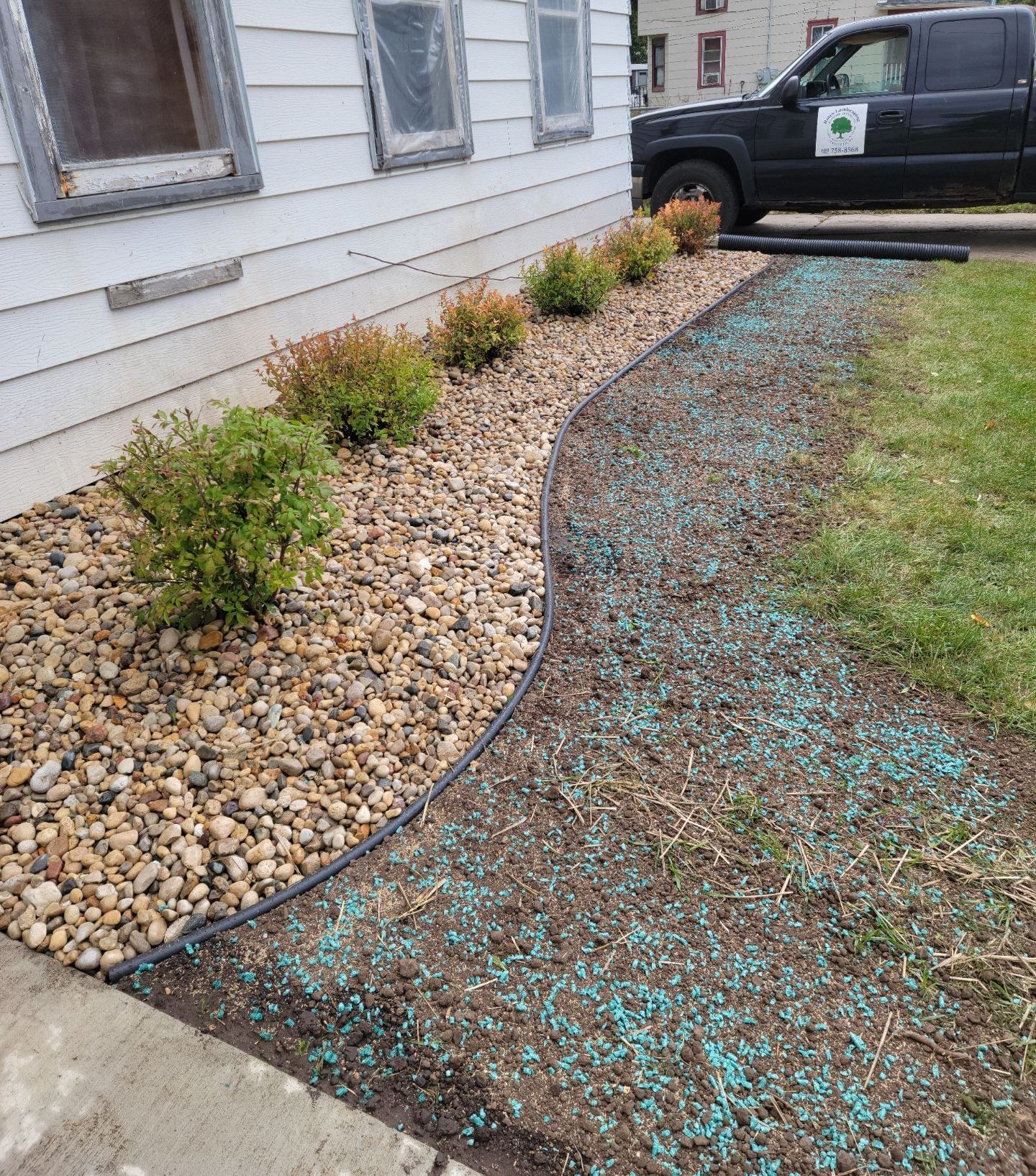
Rock beds work best when paired with proper grading. Decorative stone alone does not solve a water issue, but it can support a cleaner, lower-maintenance drainage-focused landscape when installed correctly.
Protect Basement Windows and Window Wells
Window wells are a common weak point during fall and winter. Leaves, weeds, and debris can block drainage and allow water to collect near basement windows.
Before freezing weather arrives:
- Remove leaves from window wells
- Check that covers are secure if installed
- Look for cracks or gaps near the window frame
- Make sure soil slopes away from the well
- Watch for rust, settling, or poor drainage
If water collects in a window well during fall, it may become a bigger issue during snowmelt. That is not something to leave for spring.
Final Fall Drainage Checklist
Before winter sets in, walk your property and check these items:
- Soil slopes away from the foundation
- Downspouts discharge away from the home
- Leaves are cleared from drainage paths
- Window wells are clean and draining
- Landscape beds are not piled too high against siding
- Rock beds are clean and stable
- Patios and walkways are not holding water
- Retaining walls are not bulging or washing out
- Mulch and soil are contained with clean edges
- Low spots are identified before freeze-up
If you can check off these items, your yard is in better shape going into winter. If several items raise concern, it may be time to bring in help before the problem gets more expensive.
Fall Cleanup Should Protect More Than Curb Appeal
A clean yard looks better, but the bigger goal is protecting your home. Final grading, plant prep, and drainage checks can help prevent winter water problems, reduce spring cleanup headaches, and protect your foundation from unnecessary moisture.
For homeowners in Janesville, WI, Rote’s Landscaping & Waterproofing can help with landscaping, grading, drainage, hardscaping, curbing, retaining walls, and waterproofing solutions that work together.
If your yard has drainage problems, soggy areas, foundation concerns, or landscape beds that keep washing out, fall is the time to address them.